The Ganesh Himal Rupina la Trek is one of Nepal’s best-kept trekking secrets — a raw, peaceful, and deeply rewarding adventure far from the crowded trails. If you’re looking for a genuine Himalayan experience with fewer trekkers and more nature, this trek is perfect.
Located between the famous trekking regions of Langtang and Manaslu, the Ganesh Himal Rupina la route takes you through remote mountain villages, dense forests, dramatic ridgelines, and across a breathtaking high mountain pass. With Nepal Unique Treks, this journey becomes more than just a trek — it becomes a meaningful Himalayan experience.
This beautiful trek lies in the Ganesh Himal region, named after the Hindu deity Ganesh. The journey typically begins from the historic town of Gorkha, the birthplace of modern Nepal, and gradually climbs through terraced farmland, traditional villages, and untouched wilderness.
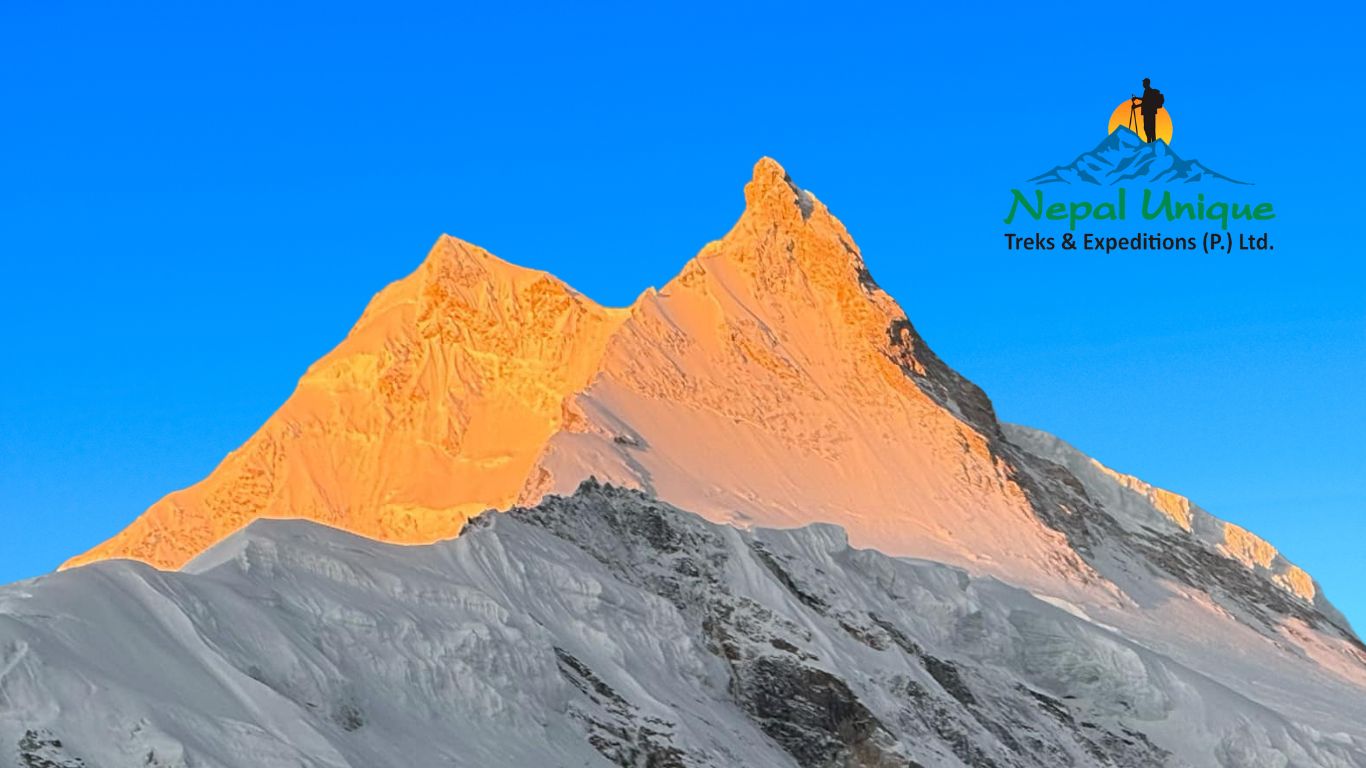
As you gain altitude, the landscapes open up to stunning Himalayan views, including Ganesh Himal, Langtang Lirung, Manaslu, and Himalchuli
Every day offers something different — from green hills and waterfalls to alpine meadows and glacial scenery.
Unlike Everest or Annapurna, this region remains peaceful and untouched. You won’t find busy tea houses or crowded trails here. Instead, you’ll enjoy quiet paths, authentic local encounters, and nature at its purest.
The highlight of the trek is crossing Rupinala Pass, a thrilling high-altitude adventure. Standing at around 4,720 meters, the pass rewards you with unforgettable panoramic views of the surrounding Himalayan peaks. It’s challenging — but incredibly satisfying.
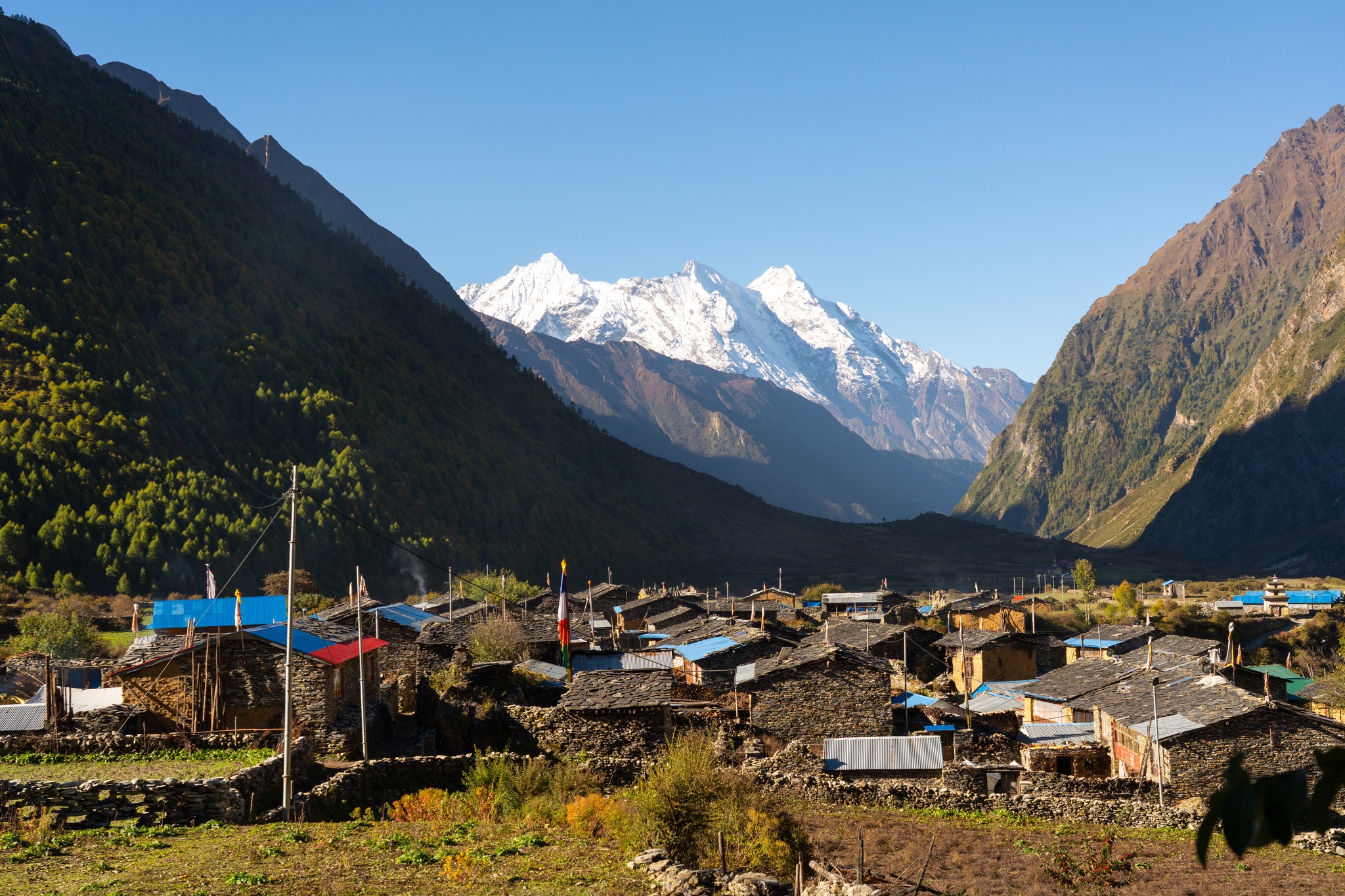
Along the trail, you’ll pass through Gurung and Tamang villages such as Barpak and Laprak. Here, life moves slowly. You’ll witness traditional farming, ancient customs, and simple mountain living. Our experienced local guides help you connect respectfully with the communities, making the journey culturally enriching.
Clear mountain views and blooming rhododendrons make this season colorful and vibrant.
The Ganesh Himal Rupinala Trek is considered moderate to challenging. Because it includes a high pass and remote camping sections, good physical fitness is important.
Our professional guides, porters, and camping crew ensure safety, comfort, and smooth logistics throughout the journey.
Nepal Unique Treks handles all necessary permits and paperwork for you.
Your adventure begins with an early morning drive from Kathmandu to the historic village of Barpak in the Gorkha region. The scenic journey follows winding mountain roads, passing terraced farmlands, rivers, and traditional settlements. Barpak is known as the birthplace of the famous Gurkha soldiers and offers magnificent views of Ganesh Himal and the surrounding peaks. Upon arrival, explore the village, interact with residents, and experience authentic Gurung culture. Overnight stay at a local lodge in Barpak.
The trail gradually climbs through dense forests, traditional villages, and cultivated hillsides. As you leave Barpak behind, the landscape becomes increasingly remote and peaceful. The route offers stunning views of the Budhi Gandaki Valley and distant Himalayan ranges. Passing through small settlements and grazing areas, you eventually reach Mamche, a beautiful highland campsite surrounded by alpine vegetation. The evening provides excellent opportunities to enjoy mountain scenery and the tranquility of nature.
Today's trek continues through rhododendron forests and open meadows. The route steadily ascends toward the higher grazing lands used by local herders during the summer months. Spectacular views of Ganesh Himal, Boudha Himal, and Shringi Himal begin to dominate the skyline. Lambra Kharka is a peaceful pastureland offering a wonderful wilderness experience far from crowded trekking routes. The campsite provides breathtaking sunset views over the surrounding Himalayan landscape.
Leaving the alpine meadows behind, the trail traverses rugged terrain with dramatic mountain scenery. You cross several ridges and seasonal streams while gaining gradual elevation. The journey passes through untouched wilderness, where occasional sightings of Himalayan wildlife are possible. Mircha Khola is located beside a glacial stream and serves as an important resting point before approaching Rupina La Pass. Enjoy the peaceful environment and prepare for higher elevations ahead.
The trek today is relatively shorter, allowing your body to adapt to increasing altitude. The route follows rocky paths and high alpine terrain toward Rupina La Base Camp. As you ascend, panoramic views of snow-covered peaks become increasingly spectacular. Towering mountains surround the campsite and offer a true wilderness atmosphere. Spend the afternoon resting, acclimatizing, and preparing for the challenging pass crossing the following day.
This is one of the most exciting and demanding days of the trek. An early morning ascent leads to Rupina La Pass, one of Nepal's most remote and dramatic Himalayan crossings. From the summit, enjoy extraordinary views of Manaslu, Himalchuli, Ganesh Himal, and numerous surrounding peaks. After celebrating your achievement, descend carefully through steep glacial terrain toward Myachet. The long day rewards trekkers with unforgettable mountain panoramas and a true sense of adventure.
The trail gradually descends through alpine landscapes and yak grazing areas. As elevation decreases, vegetation becomes more abundant, and the terrain feels less harsh. Along the way, enjoy beautiful views of the surrounding ridges and valleys. Chongchet is a small seasonal settlement used by local herders. The peaceful setting offers a perfect opportunity to relax after crossing the challenging Rupina La Pass.
Today's route follows remote mountain trails through forests, meadows, and traditional grazing lands. Sherang Kharka is a large pasture surrounded by beautiful mountain scenery and serves as an important junction connecting the Rupina La route with the Manaslu region. Along the way, enjoy spectacular views of Himalayan peaks and untouched wilderness. Overnight at a campsite or simple local shelter.
The trail descends through forests of pine, juniper, and rhododendron while entering the culturally rich Nubri Valley. You begin encountering Tibetan-influenced villages and traditional Buddhist culture. Colorful prayer flags, chortens, and mani walls decorate the route. Ngyak is a charming settlement where trekkers can experience local hospitality and observe daily life in the Himalayan region.
The trek joins the classic Manaslu Circuit Trail. Following the Budhi Gandaki River, the route passes beautiful forests and traditional villages. Namrung is known for its strong Tibetan cultural influence and stunning mountain scenery. The village offers excellent views of Manaslu and neighboring peaks. Explore local monasteries and enjoy the unique atmosphere of this Himalayan community.
Today, you enter the heart of the Manaslu region. The trail passes through the picturesque villages of Lho and Shyala before reaching Samagaon. Along the route, enjoy breathtaking views of Manaslu, Himalchuli, Ngadi Chuli, and Ganesh Himal. Samagaon is one of the largest villages in the region and serves as an important cultural and acclimatization center for trekkers.
A rest and acclimatization day helps your body adjust to the higher altitude. Optional excursions include a hike to Birendra Lake or viewpoints near Manaslu Base Camp. These short hikes offer spectacular views of glaciers, icefalls, and towering mountain peaks. Spend the remainder of the day exploring the village, visiting monasteries, and learning about local Tibetan Buddhist traditions.
The trail follows a gentle ascent through open landscapes and yak pastures. As you move closer to the Tibetan border, the scenery becomes increasingly dramatic and barren. Samdo is a traditional Tibetan refugee settlement with remarkable mountain views. The short trekking day allows plenty of time to rest and continue acclimatization before heading toward Larkya La Pass.
Today's trek is relatively short but involves significant altitude gain. The trail climbs steadily through glacial valleys and rugged mountain terrain. Larkya Phedi, also known as Dharmasala, serves as the final stop before crossing Larkya La Pass. Spend the afternoon resting, hydrating, and preparing for the highest point of the trek.
An early start takes you toward the magnificent Larkya La Pass, one of Nepal's most spectacular trekking passes. The summit offers breathtaking views of Himlung Himal, Cheo Himal, Kang Guru, and Annapurna II. After enjoying the incredible panorama, descend through glacial valleys and alpine landscapes to Bimthang. This challenging day is often considered the highlight of the entire Manaslu Circuit Trek.
The trail descends through beautiful rhododendron forests, meadows, and traditional villages. As the altitude decreases, warmer temperatures and lush vegetation return. Cross several suspension bridges and enjoy magnificent views of the surrounding mountains. Tilije is a welcoming Gurung village where trekkers can celebrate the successful completion of the high mountain crossings.
The final trekking day follows a pleasant trail through forests and cultivated farmland. The route joins sections of the famous Annapurna Circuit before reaching Dharapani. Along the way, enjoy views of waterfalls, rivers, and traditional Himalayan villages. Upon arrival, relax and reflect on the remarkable journey through some of Nepal's most remote and beautiful mountain regions.
After breakfast, begin the scenic drive to Besisahar and continue onward to Kathmandu. The journey follows river valleys, terraced hillsides, and bustling towns, offering a final glimpse of Nepal's diverse landscapes. Upon arrival in Kathmandu, transfer to your hotel and enjoy a well-deserved rest after completing this extraordinary trekking adventure through the Rupina La Pass and Manaslu region.
The Makalu Base Camp Trek is one of Nepal’s most remote and adventurous Himalayan journeys. Choosing the right season is very important because the Makalu region is wild, less developed, and highly affected by weather conditions.
The best trekking season for Makalu Base Camp Trek is during:
Spring is considered the best time for Makalu Base Camp Trek because:
Clear blue skies and stable weather
Comfortable daytime temperatures
Rhododendron forests in full bloom
Excellent mountain visibility
Ideal trekking conditions at high altitude
During spring, the Makalu Base Camp height (4,870m) is still cold at night, but daytime trekking is pleasant. The trails are colorful and alive with blooming forests inside Makalu Barun National Park.
This season is perfect for photographers and trekkers who want the best Himalayan scenery.
Autumn is another excellent season for the Makalu Base Camp 22 days itinerary.
Why autumn is ideal:
Crystal-clear mountain views
Stable and dry weather
Moderate temperatures
Best visibility after monsoon
This is the peak trekking season in Nepal. The skies are usually very clear after the monsoon rain, offering stunning views of Mount Makalu (8,485m) and surrounding peaks.
Winter trekking is possible but challenging. At the Makalu Base Camp height, temperatures drop significantly, often below -15°C at night. Snowfall can block high passes like Shipton La.
Only experienced trekkers should attempt winter.
The monsoon season brings heavy rain, slippery trails, and leeches in lower sections. Flights to Tumlingtar may also face delays.
Therefore, monsoon is generally not recommended for the Makalu 18 Day Camp Trek.
For the Makalu Base Camp Trek itinerary, the absolute best months are:
These months offer the perfect balance of weather, visibility, and trekking comfort.
The Makalu Base Camp Trek is one of Nepal’s most remote and challenging adventures. Reaching the Makalu Base Camp height of 4,870 meters, trekkers must prepare for cold temperatures, high altitude, unpredictable weather, and long trekking days. Proper equipment is essential for safety, comfort, and success during the Makalu Base Camp 22 days itinerary.
Below is a complete and practical packing list.
Layering helps you adjust easily to temperature changes.
Good footwear is extremely important for the rugged terrain of the Makalu Base Camp Trek.
Porters generally carry your duffel during the trek.
At the Makalu Base Camp height, nights are very cold, even in spring and autumn.
For remote areas during the Makalu 22 Day Camp Trek, professional guides usually carry emergency oxygen and a full medical kit.
Electricity is limited in remote villages, so a power bank is very useful.
The Makalu Base Camp Trek itinerary passes through remote wilderness, so preparation is key. Having the right equipment ensures a safe and comfortable journey in one of Nepal’s most untouched trekking regions.
The Makalu Base Camp Trek is a remote and high-altitude journey reaching the Makalu Base Camp height of 4,870 meters. Because of the altitude, unpredictable weather, and wilderness terrain, proper insurance coverage is extremely important — both for international guests and Nepal trekking staff (guide & porter).
Below is a clear explanation of insurance requirements.
For the Makalu Base Camp 22 Days Trek, every guest must have comprehensive travel insurance before arriving in Nepal.
Since the Makalu Base Camp Trek itinerary passes through very remote areas inside Makalu Barun National Park, helicopter evacuation is the only rescue option in case of serious altitude sickness or injury.
Without proper insurance, evacuation costs can be very expensive.
In case of:
The only rescue method is helicopter evacuation to Kathmandu. The cost can range between USD 4,000–6,000 depending on location and weather conditions.
Therefore, travel insurance with helicopter rescue coverage is compulsory.
Responsible trekking companies like Peace Nepal Treks provide full insurance coverage for Nepal staff during the Makalu Base Camp Trek.
Because the Makalu 22 Day Camp Trek is physically demanding and remote, it is important that guides and porters are protected with proper insurance.
Professional trekking agencies always take care of their team with proper documentation and insurance policies.
Before starting the Makalu Base Camp Trek, guests should provide:
Your trekking company should also verify the altitude limit of your policy.

Find answers to the most frequently asked questions about this tour.
The Ganesh Himal Rupina La Trek is located in the remote Himalayan region of central Nepal, between the Ganesh Himal and Manaslu mountain ranges. The trek begins from Barpak in the Gorkha district and crosses the spectacular Rupina La Pass before joining the famous Manaslu Circuit Trail.
The Ganesh Himal Rupina La Trek is considered a challenging trekking route suitable for experienced hikers. The trail includes steep ascents, remote wilderness camping, rugged terrain, and high mountain passes. Good physical fitness and previous trekking experience are highly recommended.
The highest point of the trek is Rupina La Pass at an elevation of 4,720 meters (15,485 feet) above sea level. Many itineraries also include crossing Larkya La Pass at 5,135 meters when combined with the Manaslu Circuit Trek.
The complete Ganesh Himal Rupina La Trek generally takes between 16 and 20 days, depending on the itinerary, acclimatization schedule, weather conditions, and side trips included in the package.
The best seasons for the Ganesh Himal Rupina La Trek are spring (March to May) and autumn (September to November). During these months, trekkers enjoy stable weather, clear mountain views, comfortable temperatures, and excellent trail conditions.
Yes. Hiring a licensed trekking guide is highly recommended due to the remote nature of the trail, challenging mountain passes, and limited infrastructure. A guide enhances safety, navigation, and cultural understanding throughout the journey.
Trekkers generally need the Manaslu Restricted Area Permit (MRAP), Manaslu Conservation Area Permit (MCAP), and Annapurna Conservation Area Permit (ACAP) if the itinerary continues through the Manaslu Circuit and exits via Dharapani.
Yes, altitude sickness can affect trekkers as the route reaches elevations above 4,700 meters. Proper acclimatization, gradual ascent, hydration, and awareness of altitude sickness symptoms are essential for a safe trekking experience.
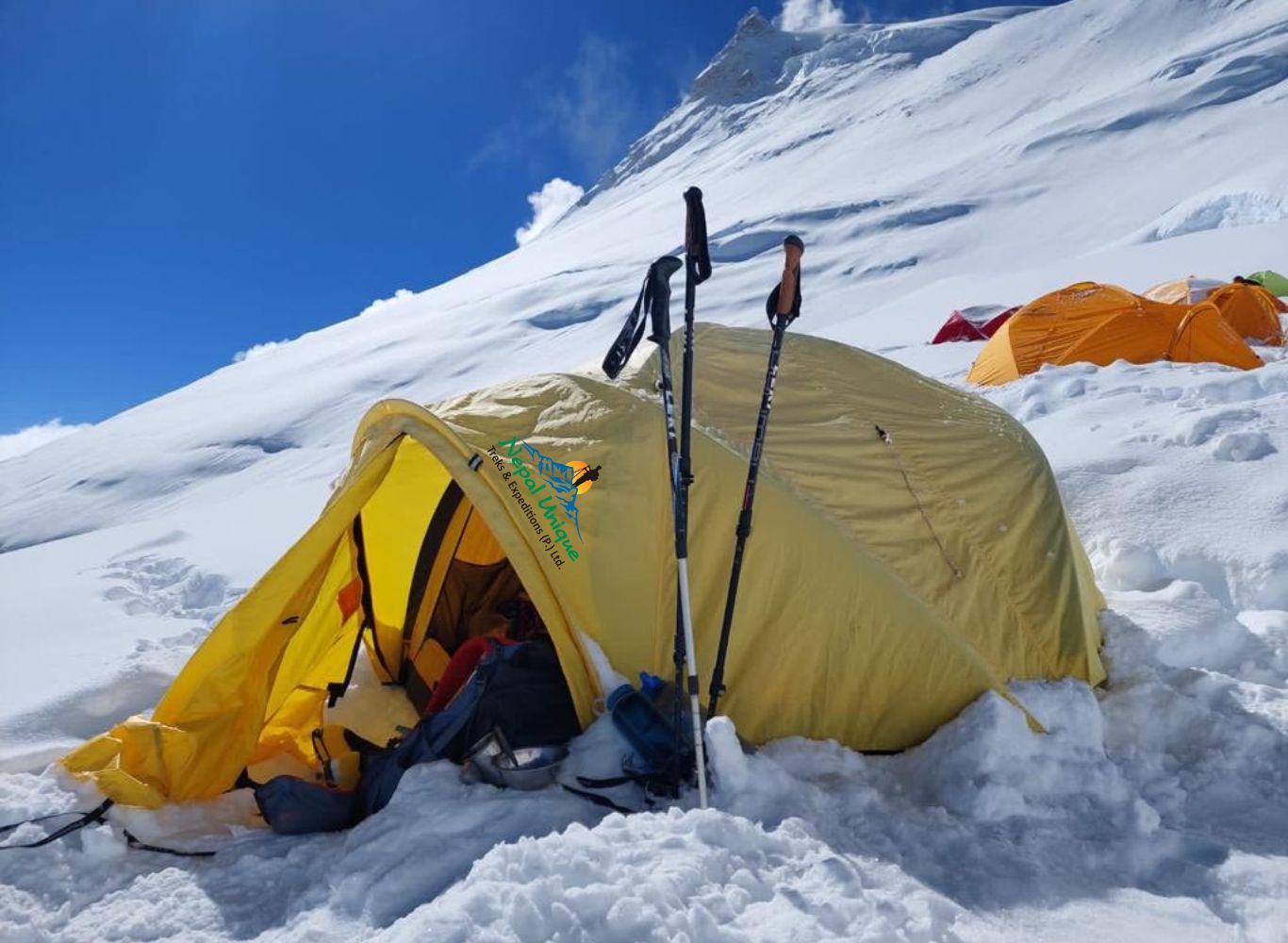
Accommodation varies depending on the section of the route. In remote areas near Rupina La Pass, trekkers often stay in tented camps, while tea houses and local lodges are available in villages along the Manaslu section of the trek.
The trek offers breathtaking views of Ganesh Himal, Manaslu, Himalchuli, Shringi Himal, Boudha Himal, Ngadi Chuli, Himlung Himal, and several other snow-capped peaks of the Nepal Himalayas.
This trek is not generally recommended for complete beginners due to its remote location, high altitude, long walking days, and challenging pass crossings. Previous trekking experience at higher elevations is beneficial.
Most trekking days involve 5 to 8 hours of walking, depending on the terrain and altitude. Pass-crossing days such as Rupina La Pass and Larkya La Pass may require 8 to 10 hours of trekking.
Essential items include warm clothing, waterproof layers, quality trekking boots, a sleeping bag, trekking poles, sunglasses, sunscreen, gloves, personal medications, and a daypack suitable for high-altitude trekking.
Mobile coverage is limited in the remote Ganesh Himal and Rupina La regions. Internet and communication services become more available once the trail joins the Manaslu Circuit villages such as Namrung, Samagaon, and Samdo.
The Ganesh Himal Rupina La Trek offers a rare combination of remote wilderness, authentic cultural experiences, spectacular mountain scenery, high-altitude adventure, and fewer crowds than popular routes like Everest Base Camp or Annapurna Base Camp. It is one of Nepal's most rewarding off-the-beaten-path trekking experiences for adventurous travelers.




© 2011 - 2026 All rights reserved. Nepal Unique Treks Developed By : Xenatech Nepal
 WhatsApp
 Plan Your Trip
 US$995


 Reviews 5/5
 Reviews 5/5
 Reviews 5/5