 (1366 x 900 px) (1366 x 1000 px) (1366 x 768 px).jpg)
Peak Climbing in Nepal is one of the most thrilling adventure activities for travelers who dream of standing on top of the Himalayan mountains. Nepal is home to some of the world's most beautiful trekking peaks, offering a perfect combination of trekking in Nepal, hiking in Nepal, mountaineering, and Himalayan expedition experiences. From snow-covered summits to remote mountain villages, peak climbing gives travelers an unforgettable journey through breathtaking landscapes and rich local culture.
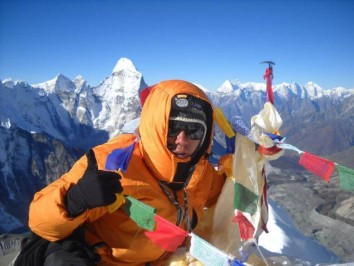
Unlike technical mountain expeditions, trekking peak climbing in Nepal is suitable for adventure lovers with basic fitness and a strong passion for the mountains. Nepal officially offers many trekking peaks managed by the Nepal Mountaineering Association (NMA), including Island Peak, Mera Peak Climbing, Lobuche Peak, Pisang Peak, Chulu West Peak Climbing, and many others. Peak climbing routes usually begin with scenic trekking trails through forests, rivers, glaciers, suspension bridges, and traditional Sherpa or Gurung villages. During the journey, climbers experience warm Nepalese hospitality, Buddhist monasteries, prayer flags, yak pastures, and panoramic Himalayan scenery.
Peak climbing in Nepal is not only about reaching the summit but also about enjoying the entire mountain adventure. Many climbers combine trekking and climbing to explore famous regions like Everest, Annapurna, and Langtang. These regions offer excellent opportunities for trekking, hiking, and mountaineering in Nepal. For travelers looking for a step beyond trekking and a taste of Himalayan expedition life, peak climbing in Nepal is one of the best adventure experiences in the world.
Experience thrilling Himalayan adventure and mountain climbing
Climb famous trekking peaks below 7,000 meters
Explore the stunning Everest and Annapurna regions
Enjoy trekking in Nepal through remote mountain villages
Witness breathtaking sunrise and panoramic Himalayan views
Experience Sherpa, Gurung, and Tibetan-influenced cultures
Walk through glaciers, ice valleys, and alpine landscapes
Perfect combination of hiking, trekking, and climbing
Suitable for beginner and experienced climbers
Opportunity to prepare for bigger Himalayan expeditions
Peak Climbing in the Everest Region
The Everest Region is the most famous destination for peak climbing in Nepal. Surrounded by the world's highest mountains, this region offers spectacular scenery and iconic trekking routes. Climbers can enjoy incredible views of Mount Everest, Lhotse, Nuptse, Ama Dablam, and many other snow-covered peaks. Island Peak Climbing, Mera Peak Climbing, and Lobuche Peak Climbing are among the most popular climbing adventures in the Everest Region. These peaks are ideal for trekkers who want to experience real Himalayan mountaineering without attempting extremely technical expeditions. The Everest trekking trails pass through Namche Bazaar, Tengboche Monastery, Dingboche, and beautiful Sherpa villages. The combination of trekking and climbing makes the Everest Region one of the best destinations for adventure tourism in Nepal.
Island Peak (6,189m)
Mera Peak (6,476m)
Lobuche East Peak (6,119m)
Pokalde Peak (5,806m)
The Annapurna Region is another excellent destination for trekking and peak climbing in Nepal. This region offers diverse landscapes, from green forests and terraced farms to high mountain deserts and snowy summits. Peak climbing in the Annapurna Region combines natural beauty, traditional mountain culture, and exciting climbing adventures. Climbers can enjoy close views of Annapurna, Dhaulagiri, Machhapuchhre, and Manaslu ranges. Pisang Peak and Chulu Peaks are among the most famous climbing peaks in this region. These climbs are perfect for adventure travelers seeking both trekking and mountaineering experiences in Nepal.
Pisang Peak (6,091m)
Chulu East Peak (6,584m)
Chulu West Peak (6,419m)
Tent Peak / Tharpu Chuli (5,663m)
Island Peak is one of Nepal’s most famous trekking peaks. Located in the Everest Region, it offers stunning views and moderate climbing challenges for beginners.
Mera Peak is the highest trekking peak in Nepal and provides panoramic views of Everest, Makalu, Kanchenjunga, and Lhotse.
Lobuche Peak is slightly more technical and ideal for climbers seeking a greater challenge in the Everest Region.
Pisang Peak combines the Annapurna Circuit trek with exciting climbing experiences and spectacular Himalayan scenery.
Chulu East and Chulu West are popular climbing peaks in the Annapurna Region, known for remote trails and beautiful alpine landscapes.
Peak climbing in Nepal is suitable for anyone with good physical fitness, strong determination, and an adventurous spirit. Previous trekking experience is helpful, but many beginner climbers complete trekking peaks every year with proper preparation and guidance. Climbers should be mentally prepared for high altitude, cold temperatures, and long trekking days. Basic mountaineering training, including using crampons, ropes, and ice axes, is usually provided by climbing guides before summit attempts. Whether you are an experienced trekker or a first-time climber, Nepal offers suitable trekking peaks for different skill levels.
Peak climbing is ideal for:
Adventure travelers
Trekking enthusiasts
Mountain lovers
Beginner climbers
Experienced hikers
Expedition preparation for climbers
The difficulty level of peak climbing in Nepal varies depending on the mountain, altitude, weather conditions, and climbing route. Most trekking peaks are considered moderately difficult and require good fitness rather than advanced technical climbing skills. Some peaks, like Mera Peak, are physically demanding because of high altitude, while others, like Lobuche Peak, involve steeper climbing sections and rope work.
Factors affecting difficulty:
High altitude and thin air
Long trekking days
Glacier crossings
Snow and ice climbing
Weather conditions
Physical endurance
Proper acclimatization, experienced guides, and preparation are essential for a safe and successful climb.
The best seasons for peak climbing in Nepal are Spring and Autumn.
Spring is one of the most popular climbing seasons in Nepal. The weather is stable, temperatures are moderate, and mountain views are clear. Rhododendron forests bloom beautifully during trekking.
Autumn offers crystal-clear mountain views, dry weather, and excellent climbing conditions. It is considered the best season for trekking and peak climbing in Nepal.
Winter climbing is possible on some peaks, but temperatures become extremely cold at high altitude.
Heavy rainfall and cloudy weather make climbing more difficult during the monsoon season.
Proper gear is very important for safe and successful climbing in Nepal.
Down jacket
Waterproof jacket and pants
Thermal base layers
Fleece jacket
Trekking pants
Warm gloves
Wool hat
Sun hat
Mountaineering boots
Trekking shoes
Warm socks
Gaiters
Climbing Equipment
Ice axe
Harness
Helmet
Crampons
Carabiners
Ascender and descender
Sleeping bag
Sunglasses
Sunscreen
Headlamp
Water bottle
Trekking poles
First aid kit
Nepal is one of the best destinations in the world for mountain adventures. The country offers countless trekking routes, climbing peaks, and Himalayan expedition opportunities. From beginner-friendly trekking peaks to challenging mountaineering expeditions, Nepal has something for every adventure traveler. Peak climbing in Nepal allows travelers to experience natural beauty, traditional culture, and the excitement of Himalayan mountaineering in a single journey. Whether you are interested in trekking in Nepal, hiking in Nepal, or preparing for major Himalayan expeditions, Nepal provides unforgettable mountain experiences. The combination of experienced climbing guides, welcoming local people, rich mountain culture, and world-famous Himalayan landscapes makes Nepal a dream destination for climbers from around the world.
 US$2495

.jpg)
(51) Reviews
US$2450 
.jpg)




© 2011 - 2026 All rights reserved. Nepal Unique Treks Developed By : Xenatech Nepal
 WhatsApp
 Plan Your Trip