
The Manaslu Circuit Trek with Tsum Valley is a premium remote trekking experience in Nepal, combining the classic Manaslu Circuit with the hidden Tsum Valley. This Manaslu Tsum Valley trek itinerary is ideal for travelers seeking a restricted-area trek in Nepal with fewer crowds, authentic culture, and stunning Himalayan views.
This Manaslu Circuit with Tsum Valley trek package takes you through ancient monasteries, Tibetan-influenced villages, and across the breathtaking Larkya La Pass (5,106m), making it one of the best long treks in Nepal.
The Manaslu Circuit Trek with Tsum Valley, offered by Nepal Unique Treks, is one of the most rewarding and off-the-beaten-path trekking experiences in the Himalayas. This carefully designed Manaslu Tsum Valley trek itinerary combines the classic Manaslu Circuit Trek with the culturally rich and hidden Tsum Valley, creating a perfect blend of adventure, nature, and Tibetan Buddhist heritage.
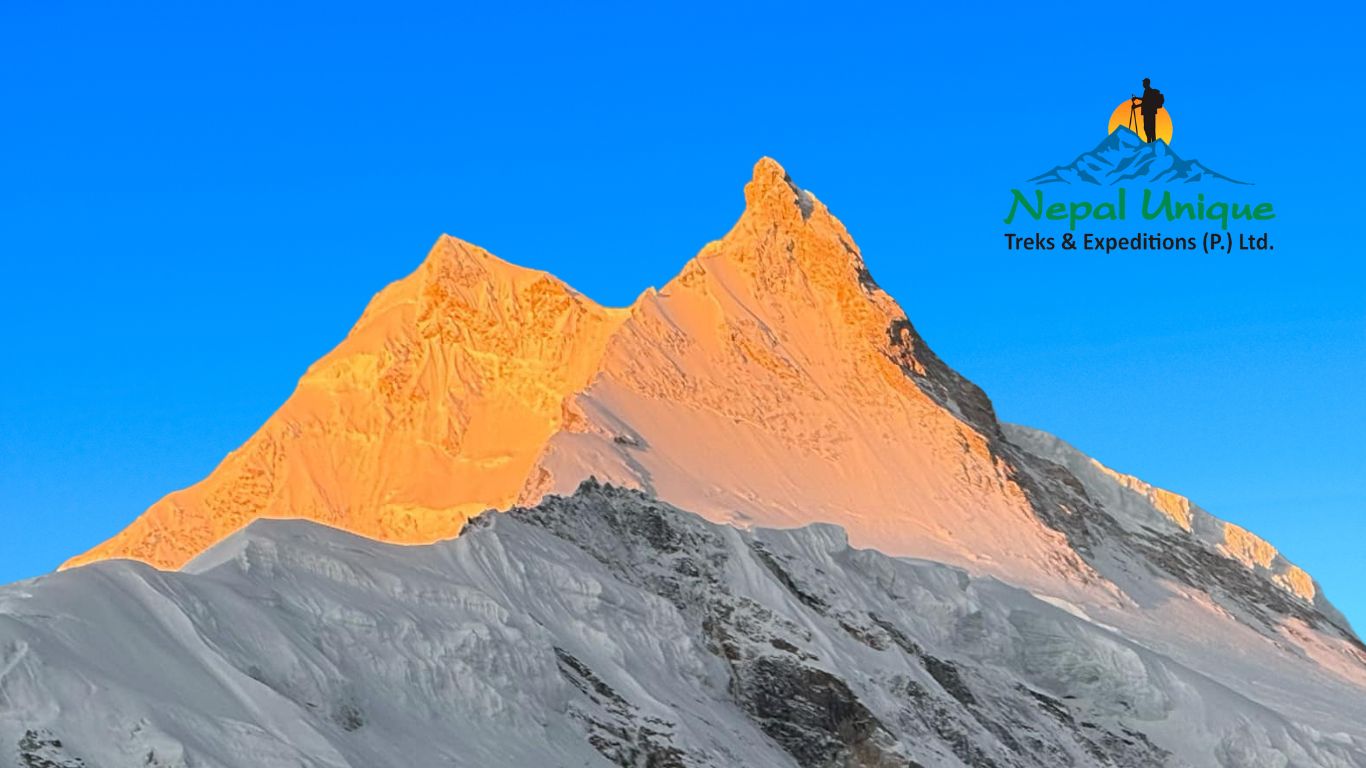
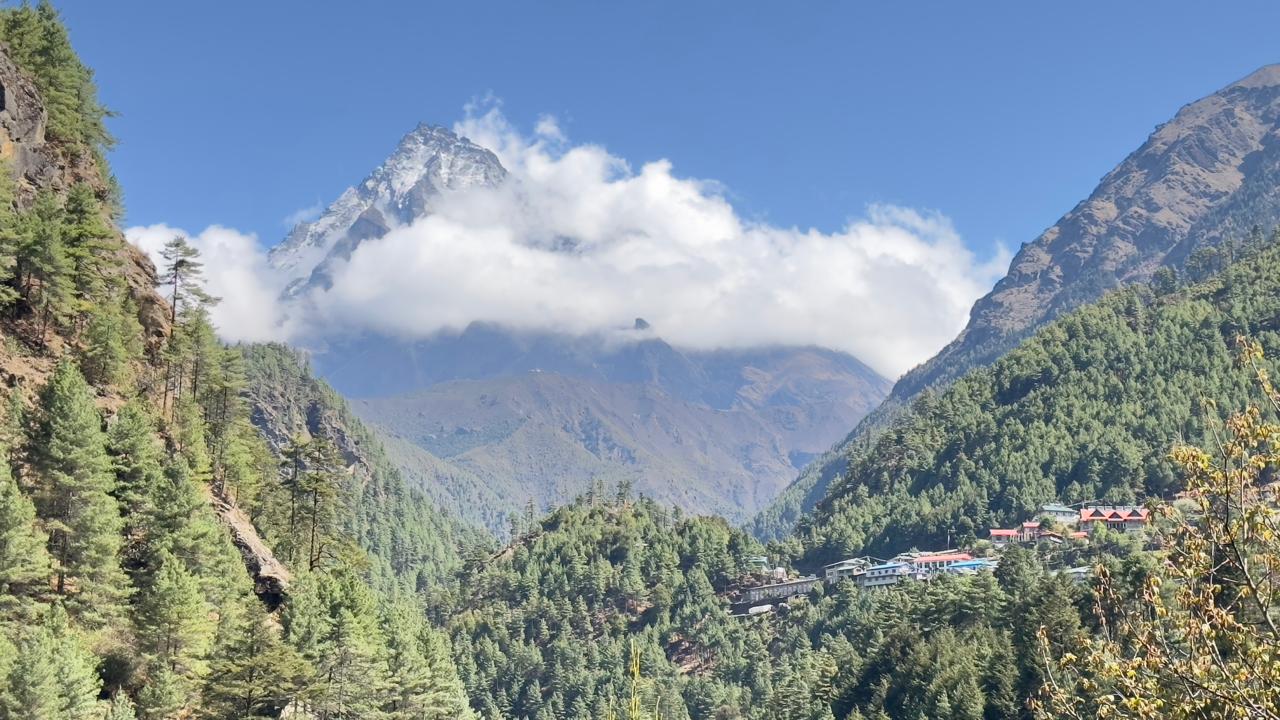
Ideal for travelers seeking a restricted-area trek in Nepal, this journey takes you through remote mountain villages, lush forests, deep river gorges, and high-alpine landscapes, offering breathtaking views of Mount Manaslu (8,163m). The highlight of the trek is crossing the spectacular Larkya La Pass (5,106m), one of the most scenic high passes in Nepal.
Along the way, trekkers explore ancient monasteries such as Mu Gompa and experience authentic Himalayan culture untouched by mass tourism. This Manaslu Circuit with Tsum Valley trek package is perfect for those looking for a Challenging Trekking Adventure in Nepal with fewer crowds compared to the Everest Base Camp Trek and Annapurna Base Camp Trek. With professional guides, flexible itineraries, and a competitive Manaslu Tsum Valley trek cost, Nepal Unique Treks ensures a safe and memorable journey. Whether you are searching for the best Manaslu Tsum Valley trek 2026, a detailed itinerary, or a reliable local operator, this trek offers a once-in-a-lifetime opportunity to explore the hidden gems of the Nepal Himalayas while enjoying a truly immersive cultural and natural trekking experience.
The Manaslu Tsum Valley trek is perfect for experienced trekkers seeking a challenging Himalayan trekking adventure with cultural depth and natural beauty.
The Manaslu Tsum Valley trek permit cost varies by season and duration.
The best time for the Manaslu Circuit with Tsum Valley trek is when the weather is stable, and visibility is clear.
The Manaslu Circuit Trek with Tsum Valley offers a classic tea house trekking experience in Nepal, where trekkers stay in locally run lodges and enjoy freshly prepared meals throughout the journey. This Manaslu Tsum Valley trek package combines authentic hospitality with simple yet comfortable services in one of Nepal’s most remote trekking regions.
Accommodation during the Manaslu Circuit with Tsum Valley trek is primarily in tea houses (mountain lodges) run by local families. Rooms are usually basic but cozy, typically featuring twin beds, blankets, and shared bathrooms. In lower regions like Soti Khola, Jagat, and Namrung, you may find better facilities with attached bathrooms and Wi-Fi, while in higher altitude areas such as Samdo and Dharamsala, accommodation becomes more basic due to remoteness.
Staying in these tea houses allows trekkers to experience authentic Himalayan culture and warm local hospitality, making the remote trekking in the Nepal Himalayas even more memorable.
Food on the Manaslu Tsum Valley trek is nutritious, hygienic, and designed to provide energy for long trekking days. Most tea houses offer a wide variety of meals, including:
In the Tsum Valley section, you may also enjoy traditional Tibetan dishes, reflecting the region’s unique culture.
Important Tips
The Manaslu Circuit Trek with Tsum Valley food and accommodation experience is simple but fulfilling, offering a perfect balance of comfort, culture, and adventure in the heart of the Himalayas.
The Manaslu Circuit Trek with Tsum Valley difficulty is moderate to challenging due to high altitude and long trekking days.
Upon arrival in Kathmandu (1,400m), you will be welcomed by the team of Nepal Unique Treks and transferred to your hotel. This day is mainly for rest and preparation for your Manaslu Circuit Trek with Tsum Valley. In the evening, you’ll attend a detailed trek briefing covering the itinerary, permits, packing checklist, and safety guidelines for this restricted area trek in Nepal.
You may explore the vibrant streets of Thamel, finalize trekking gear, or enjoy a traditional Nepali dinner. No walking distance is required today, but light walking around the city is optional. This day ensures you are well-prepared physically and mentally for the upcoming Himalayan adventure.
Today, we will prepare special permits for trekking in a restricted area of Nepal. Nepal Unique Treks will arrange the Manaslu Restricted Area Permit and other necessary documents. We will introduce you to a trek guide and manage your trekking gear; if not enough, then shop around in Thamel. This rest day also helps you recover from travel fatigue and get ready for the adventure ahead. You do not need to walk or drive unless you want to explore the city. You will stay overnight in Kathmandu.
We start our drive from Kathmandu to Machha Khola via Arughat. This journey is the start of the Manaslu Circuit Trek in Nepal. As we leave Kathmandu Valley, the road takes us through different types of landscapes. We pass through terraced hills, villages by the river, and green countryside. The road slowly goes down to the elevations of the Gorkha district.
When we reach Arughat, a town known for trading we take a rugged road, toward Soti Khola and then Machha Khola. Arughat is where many people start their Manaslu Circuit trek itinerary. During the drive we see how people live in Nepal. We cross suspension bridges. See the Budhi Gandaki River. We follow this river during the Manaslu trekking experience.
The drive can be long and bumpy.. It makes our adventure feel real and exciting. It is a way to go from the city to the remote Himalayan wilderness. This makes our Manaslu trekking experience very memorable.
The trail continues along the river, with ascents and descents, before reaching Jagat (1,340m), a stone-paved village. You pass springs at Tatopani and cross multiple suspension bridges. Jagat is the entry point for the Manaslu region, where permits are checked. The landscape becomes more dramatic with cliffs and narrow trails. You will stay overnight in Jagat.
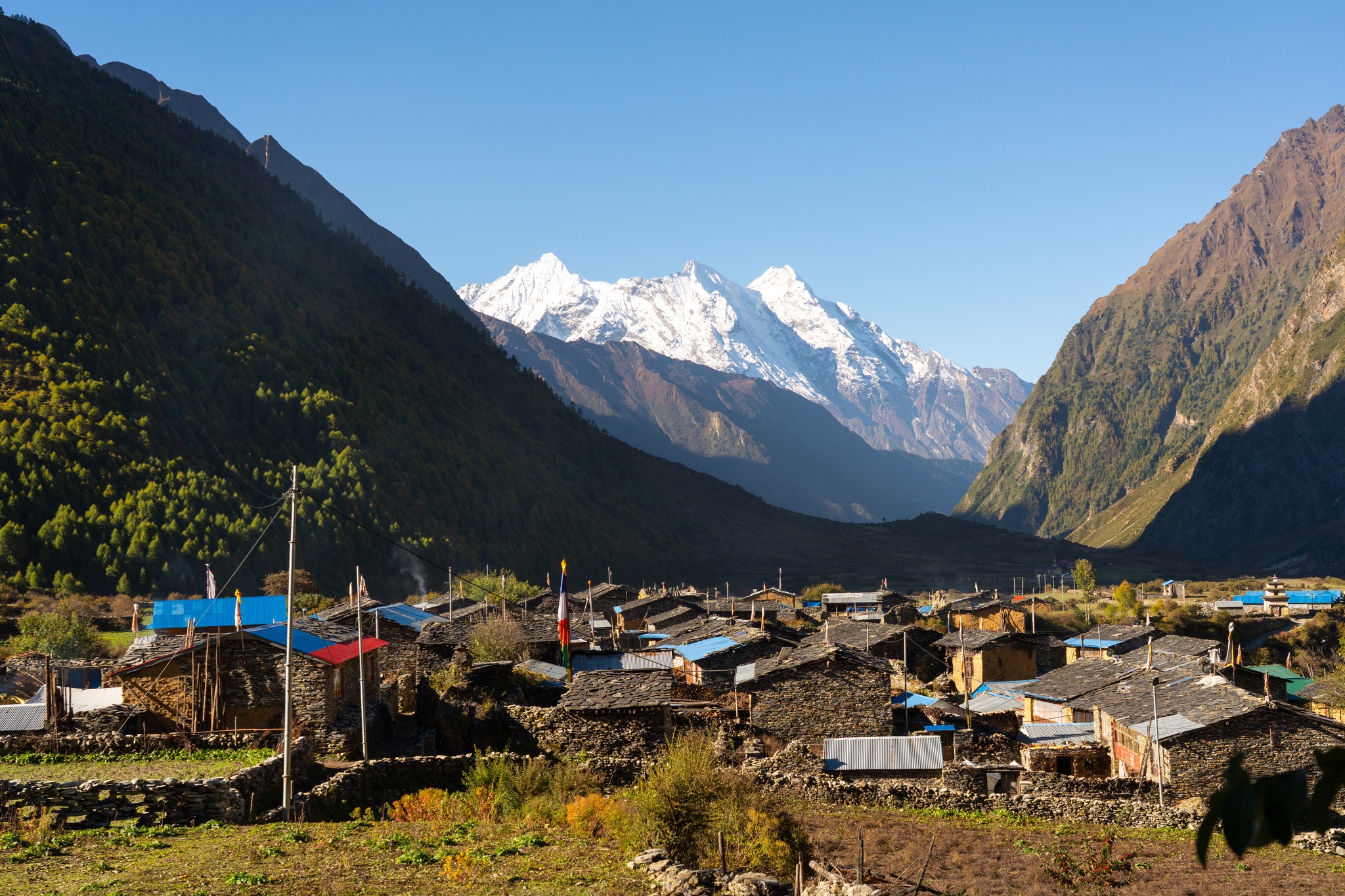
We will leave Jagat, and the Manaslu Tsum Valley trek trail will go up steadily through forests and traditional villages. We will reach Lokpa, the gateway to the hidden Tsum Valley. The Manaslu Tsum Valley trek route will become quieter and less crowded. It will give us an off-the-beaten-path experience.
We will see views of Ganesh Himal and the surrounding peaks. Entering Tsum Valley will feel like stepping into a world. It is rich in culture and untouched beauty. Lokpa is a village where we will stay overnight. This day is a highlight of the Manaslu Circuit Trek with the Tsum Valley itinerary.
The Manaslu Tsum Valley trek trail will go through forests. We will cross the Siyar River. Go up to Chumling. Along the way, we will see walls and prayer flags. We will see houses that reflect strong Tibetan Buddhist influence. Chumling is a village with monasteries. It has views of Ganesh Himal.
This shorter day will give us time to explore the village. We can interact with locals. It will give us a cultural experience. The Manaslu Tsum Valley trek is unique compared to treks in Nepal.
Today, we will go up gradually through the lands and villages. We will gain altitude steadily. The Manaslu Tsum Valley trek trail will give us valley views. We will see a changing landscape as we move higher. Chhokang Paro is one of the villages in the Tsum Valley. It has houses and a rich cultural heritage.
The panoramic mountain views are impressive. This day is important for acclimatization. We are approaching elevations on the Manaslu Circuit with the Tsum Valley trek.
The Manaslu Tsum Valley trek will continue deeper into Tsum Valley. The landscape will become more rugged and alpine. We will pass through villages like Phurbe. Reach the Nile. Nile is the settlement before the Tibetan border.
The area is peaceful and spiritually rich. We will see monasteries and prayer flags. The views of the surrounding mountains are spectacular. This day is shorter. It will give our body time to adjust to the increasing altitude.
Today, we will explore Mu Gompa. Mu Gompa is the monastery in Tsum Valley. The hike will give us views. We will experience the essence of the region. The monastery is a place where monks live and practice. After exploration, we will return to the Nile. This acclimatization day will enhance both physical aspects of our trek.
We will go down from Tsum Valley. We will rejoin the Manaslu Circuit trail. The Manaslu Tsum Valley trek is longer but mostly downhill. We will pass through forests and rivers. Deng is a village where we will rest after a long day.
The Manaslu Tsum Valley trek trail will go through forests. We will see mountain views. Namrung is a rich village. It has influence and traditional architecture.
We will trek through alpine landscapes. We will reach Samagaon. Samagaon is a village. It has views of Mount Manaslu. It is an acclimatization stop.
We can go for a hike to Manaslu Base Camp. This rest day will help our bodies adjust to the altitude. We can explore the village. We can also hike to Manaslu Base Camp for views.
We will trek to Samdo. Samdo is a village near the border. The views are breathtaking.
We will trek to the base camp of Larkya La Pass. The Manaslu Tsum Valley trek trail is gradual. We will prepare for the day’s challenge.
We will cross Larkya La Pass 5106 m. Then we will go down to Bimthang. The Manaslu Tsum Valley trek is 18 km long. It will take 8 to 9 hours to complete. This is the most rewarding day. We will cross Larkya La Pass. Go down to Bimthang. We will see the Himalayan views.
The Manaslu Tsum Valley trek is 19 km long. It will take 7 to 8 hours to complete. We will go through forests and villages. We will reach Dharapani. Dharapani marks the end of the trek.
We will drive to Kathmandu. The Manaslu Tsum Valley trek is over. We will conclude our Manaslu Circuit Trek with a Tsum Valley adventure. Nepal Unique Treks will invite you to a special farewell dinner in Kathmandu to celebrate the successful completion of your trek. During the evening, we will congratulate you on your achievement and present you with an official trekking completion certificate as a memorable souvenir of your Manaslu Circuit Trek with Tsum Valley. This small celebration is our way of appreciating your adventure and sharing your incredible journey in the Himalayas.
The Nepal Unique Treks team will arrange your transfer to the international airport, ensuring you arrive at least three hours before your scheduled flight. Our representative will assist you with your departure, making your journey home smooth and hassle-free after completing your Manaslu Circuit Trek with Tsum Valley.
Extra Cost:
Choosing the right season is one of the most important factors for a successful Manaslu Expedition, and spring (March, April, and May) is one of the most favorable times to climb Mount Manaslu in Nepal.
During spring, Nepal experiences stable weather patterns, longer daylight hours, and moderate temperatures, which are ideal for high-altitude climbing. After the cold winter months, the region slowly warms up, making both trekking to Base Camp and acclimatization rotations more comfortable.
In the lower regions, daytime temperatures gradually rise, while nights remain cool. At higher elevations, temperatures are still cold but manageable, especially compared to winter. This balance allows climbers to move safely between camps without extreme exposure.
Spring also provides clear mornings and stable summit windows, which are essential for safe summit pushes. The longer daylight hours give climbers more time to ascend and descend on summit day, reducing risk.
Spring is an excellent season for gradual acclimatization. Climbers can spend enough time at Manaslu Base Camp and perform multiple rotation climbs to higher camps. Snow conditions are generally firm and supportive, which is ideal for glacier travel and fixed rope climbing.
This season is also well suited for practicing:
Steep snow climbing
Ice and glacier movement
Rope techniques at higher camps
While Manaslu is considered technically less difficult than some other 8,000-meter peaks, avalanche risk still exists in spring, especially after fresh snowfall. However, compared to mid-winter or heavy monsoon periods, the risk is moderate and manageable with proper route fixing, experienced Sherpa guides, and careful weather monitoring.
Peace Nepal Treks places strong emphasis on:
Safe camp placement
Weather forecasting
Experienced route-fixing teams
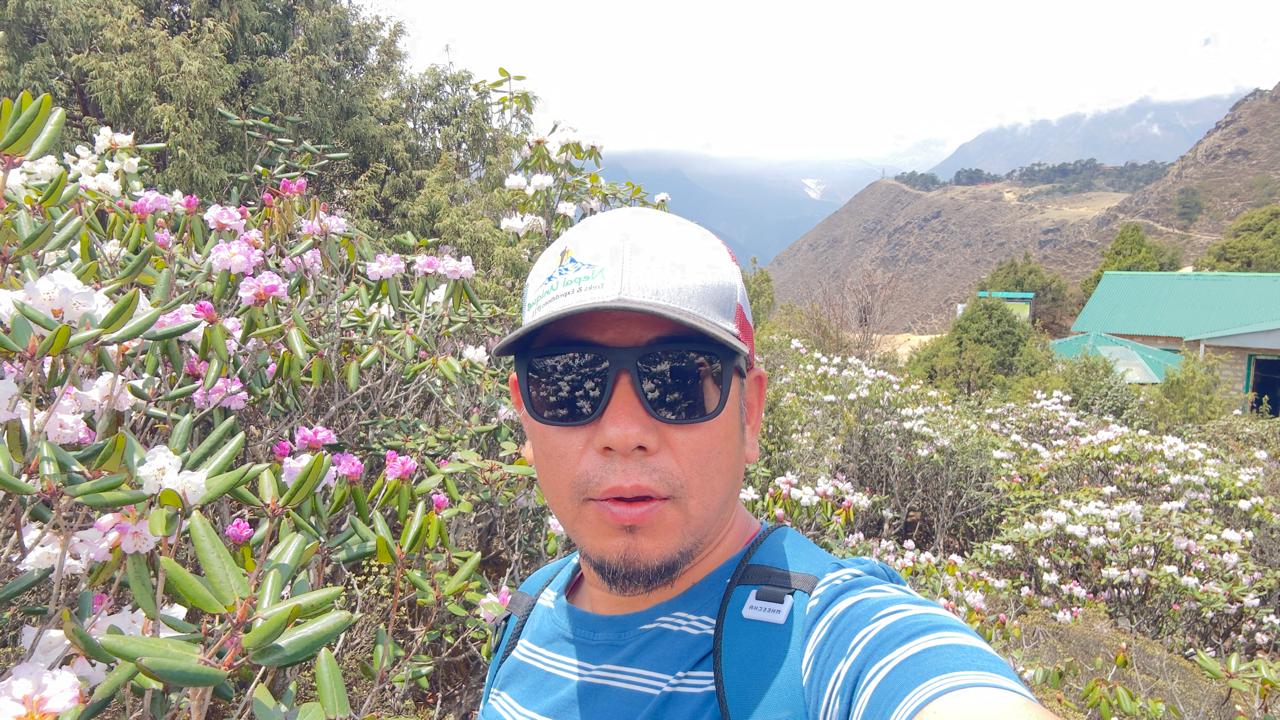
Spring is also the most colorful season in the Manaslu region. Forests regain greenery, rhododendrons bloom, and valleys are filled with fresh vegetation. This makes the long trekking approach to Base Camp visually rewarding and mentally refreshing.
A typical Manaslu Spring Expedition lasts around 7 to 8 weeks, including trekking, acclimatization, summit attempts, and descent. While the route is achievable for experienced climbers, it remains a serious high-altitude challenge and requires:
Excellent physical fitness
Previous high-altitude climbing experience
Familiarity with mountaineering equipment
Spring offers one of the best balances between safety, beauty, and summit success for Mount Manaslu.
The autumn season is widely regarded as the best and most popular season for the Manaslu Expedition. From September to November, the Himalayan weather becomes dry, clear, and stable after the monsoon, creating ideal conditions for mountaineering.
Autumn offers:
Clear skies and sharp mountain views
Dry trails during the trek to Base Camp
Stable summit weather windows
Daytime temperatures are generally comfortable, while nights at higher camps can be extremely cold. Fresh snowfall often covers the upper ridge, creating both beautiful scenery and technical challenges.
Autumn sees the highest number of climbers on Manaslu. Hundreds of international climbers apply for permits during this season, making Base Camp lively and well supported with fixed ropes, ladders, and shared logistics.
This popularity improves:
Route preparation
Camp infrastructure
Rescue and communication coordination
However, it also means crowded summit windows, requiring patience and careful timing.
Despite favorable weather, Manaslu remains a dangerous mountain. The summit ridge can be icy, narrow, and exposed, especially after fresh snowfall. Avalanche risk, crevasses, and strong winds are real concerns.
Many climbers choose not to attempt the true summit due to the knife-edge ridge, opting instead for a safer high point. Safety decisions are always prioritized over summit success.
Autumn is also a culturally rich season in Nepal. Along the trekking route, climbers may witness local festivals, traditional farming activities, and vibrant autumn colors in the forests. The combination of culture, scenery, and clear Himalayan views makes autumn particularly special.
Autumn expeditions require:
Very warm down clothing
High-quality sleeping bags
Reliable mountaineering boots
Advanced preparation and early booking
Facilities, permits, and logistics should be arranged well in advance due to high demand.
Spring: Fewer climbers, blooming landscapes, longer daylight, good acclimatization
Autumn: Best weather stability, highest success rate, well-prepared routes
Both seasons are excellent, and the best choice depends on your experience, schedule, and personal preference.
Climbing Mount Manaslu (8,163 m) requires proper, high-quality equipment to ensure safety, comfort, and summit success. Because Manaslu is an 8,000-meter expedition, climbers must be fully prepared for extreme cold, strong winds, snow, ice, and high altitude.
Peace Nepal Treks provides all essential group equipment, while climbers must bring their own personal climbing and trekking gear.
Group equipment is shared by the entire expedition team and plays a vital role in safety, logistics, and comfort throughout the Manaslu Expedition.
These tents are specially designed to withstand strong winds, snowfall, and freezing temperatures.
All technical gear is handled by experienced Sherpa climbing guides.
(Oxygen use depends on the chosen package and climber preference.)
This ensures constant communication between Base Camp, high camps, and Kathmandu.
Peace Nepal Treks prioritizes health monitoring and emergency readiness at all times.
Nutritious, high-energy meals are prepared by experienced expedition cooks.
Each climber must bring personal equipment suited for extreme altitude, cold temperatures, and technical climbing. Proper personal gear is essential for comfort, safety, and endurance.
Base Layers
Insulation Layers
Outer Shell
High-Altitude Clothing
Head & Face
Hands
Feet
These are essential for fixed rope climbing and glacier travel.
Choosing proper, tested, and high-quality equipment is critical for the Manaslu Expedition. Do not compromise on boots, down suit, gloves, or sleeping bag. Peace Nepal Treks will review your gear list before departure and assist you with renting or purchasing equipment in Kathmandu if needed.
Climbing Mount Manaslu (8,163 m) is a serious high-altitude expedition, and proper insurance coverage is mandatory for both international climbers (guests) and Nepali expedition staff. Insurance plays a vital role in safety, emergency response, medical treatment, and financial protection during the expedition.
Peace Nepal Treks follows strict safety and insurance standards to protect everyone involved in the Manaslu Expedition.
All climbers joining the Manaslu Expedition must have comprehensive high-altitude travel and mountaineering insurance before arriving in Nepal.
Your insurance policy must include:
Peace Nepal Treks will check and verify guest insurance documents before final confirmation of the expedition.
Guests should choose reputable international insurance companies that clearly cover high-altitude mountaineering. The policy wording must be checked carefully.
- - Standard travel insurance is NOT sufficient for the Manaslu Expedition.
Peace Nepal Treks provides full and mandatory insurance coverage for all Nepali expedition staff, including:
This is a legal and ethical responsibility and a core value of Peace Nepal Treks.
Peace Nepal Treks strictly follows Department of Tourism (DoT) rules and ensures all staff are insured before the expedition begins.
In case of emergency:
Your safety, health, and peace of mind are our highest priorities.
5 Excellent (48) Review
Find answers to the most frequently asked questions about this tour.




© 2011 - 2026 All rights reserved. Nepal Unique Treks Developed By : Xenatech Nepal
 WhatsApp
 Plan Your Trip






 US$995


 Reviews 5/5
 Reviews 5/5
 Reviews 5/5



Jonh HUnited KingdomOn 2026-04-07
(Excellent)
Memorable trekking to Tsum Valley & Manaslu
What a fantastic experience we had hiking the Tsum Valley and Manaslu Circuit with Nepal Unique Treks & Expeditions. It was our first time in Nepal, and everything was so well organised throughout. Unlike other trekking companies that seemed to push clients through as fast as possible, our itinerary was personalised to be totally flexible so that we never felt rushed or exhausted at the end of each day and were able to enjoy magical moments in the mountains.
The Tsum Valley is like stepping back in time - originating from Tibet, the people follow a strictly vegetarian diet, uphold the traditions of Buddhist art, culture, and religion, speak a different dialect, and wear traditional costumes. Thanks to local knowledge from our guide, we were privileged to witness Dhachyang, “the Festival of Horses,” which celebrates the end of the Sherpa season, and were spellbound by the haunting chanting of the women in the monastery at Chhekamparo.
Indra, our guide, was vastly experienced and explained everything in detail to us so that we felt prepared, relaxed, and totally safe with him and our porters Rajan and Suresh. To be honest, I was extremely nervous about crossing the suspension bridges, but Indra & the boys were brilliant, supporting and gently encouraging me by singing Nepalese songs that I learnt to whistle the tunes of until I was finally able to conquer my fears and walk over them by myself!! Unfortunately, I developed a chest infection at the start of the Manaslu trek, and by the time we reached Samdo.
I was struggling to catch my breath, so we all decided to turn back rather than attempt to cross the Larkya La Pass. However what could have been a major disappointment was turned into the highlight of our trip as Indra planned a return route that was off the beaten track visiting more remote and less visited villages, monasteries and teahouses where we were greeted as ‘guests of honour’ and on the last night in Jagat we were invited to help cook and then eat supper with our hosts - a truly unforgettable evening that will live long in our memories.
Thanks again to Dill and his entire team at Nepal Unique Treks for organising the trip of a lifetime - we are already planning our next trekking adventures with you ⭐️⭐️⭐️⭐️⭐️ Review Source from TripAdvisor