Gurung Heritage Trekking Trail

5(149)
Download [PDF]
Gurung Heritage Trekking Trail
    Trip Facts
    Accommodation:Hotel, Lodge and Camping
    Height:4910
    Grade:Moderate
    Duration:14 Days
    Activity:Trekking
    Transportation:Flight, Car, Van
    Treks Type:Heritage Walk
    Best Season:September to November, and March to Jun
    background 1795 US$1595

    Everest Base Camp Trek with Trishuli River Rafting & Chitwan Jungle Safari – 18 Days Nepal Adventure!

    Nepal, a land of timeless traditions and awe-inspiring natural beauty, is the ultimate destination for adventure seekers. With the towering Himalayas to the north and the lush Terai jungles to the south, the country offers an incredible range of landscapes and experiences within a relatively compact area. One of the best ways to truly experience the heart of Nepal is by combining three of its top attractions—Everest Base Camp Trek, Trishuli River Rafting, and Chitwan National Park Safari—into a single epic journey.

    This combination tour is perfect for those who want a well-rounded Himalayan adventure that covers everything from high-altitude trekking and adrenaline-pumping rafting to jungle safaris and cultural immersion.

    Everest Base Camp Trek: A Legendary Journey to the Foot of the World’s Highest Peak

    The Everest Base Camp (EBC) Trek is one of the most iconic treks in the world, taking you to the foot of the mighty Mt. Everest (8,848.86 meters). The trail winds through Sherpa villages, alpine forests, roaring rivers, and glacial moraines, offering jaw-dropping views of some of the highest peaks on Earth including Lhotse, Nuptse, Ama Dablam, and Pumori.

    Highlights of Everest Base Camp Trek

    • Scenic mountain flight to Lukla, the world’s most thrilling airstrip
    • Immersion in Sherpa culture, monasteries, and mountain villages
    • Acclimatization stops in Namche Bazaar and Dingboche
    • Sunrise views from Kala Patthar (5,550m) – the best Everest viewpoint
    • Reach Everest Base Camp (5,364m), where expedition dreams begin
    • Visit Tengboche Monastery, the spiritual heart of the Khumbu

    The trek is not only a physical challenge but a spiritual and cultural experience, where each step brings you closer to the soul of the Himalayas.

    Trishuli River Rafting: Adrenaline and Relaxation on Nepal’s Favorite Rafting River

    After conquering the Himalayas, it's time to shift gears and head to the Trishuli River for a white-water adventure. Flowing from the Tibetan highlands into central Nepal, the Trishuli River offers a perfect mix of Class II–III rapids, calm sections, and scenic riverbanks.

    Highlights of Trishuli River Rafting

    • Safe yet exciting rapids like “Ladies Delight” and “Upset”
    • Riverside lunch and relaxing swims
    • Dramatic gorges, lush hillsides, and terraced farmland scenery
    • Ideal for first-time rafters and families

    This rafting experience adds a splash of thrill and fun, making it a great way to relax the legs after trekking while keeping the adventure spirit alive.

    Chitwan National Park: Nepal’s Jungle Paradise

    The journey then continues to the tropical lowlands of Chitwan, home to one of Asia’s best-managed wildlife reserves—Chitwan National Park, a UNESCO World Heritage Site.

    This park is rich in biodiversity, home to rare species like the one-horned rhinoceros, Bengal tiger, gharial crocodile, sloth bear, and over 500 species of birds.

    Highlights of Chitwan Jungle Safari

    • Jeep safari and/or elephant-back rides through dense jungle
    • Canoe trip on the Rapti River to see crocodiles and water birds
    • Visit to Elephant Breeding Center and wildlife conservation units
    • Tharu village tour with cultural dance performance

    Chitwan offers a perfect contrast to the cold and rugged Himalayas—lush, warm, and full of life.

    Why Combine These Three Adventures?

    Combining the EBC Trek, Trishuli Rafting, and Chitwan Safari creates a diverse and dynamic trip that balances adventure, nature, and culture:

    Experience Type                        Activity
    High-Altitude Challenge             Everest Base Camp Trek
    Water Adventure                        Trishuli River Rafting
    Wildlife & Relaxation                 Chitwan National Park

    This mix also allows your body to recover and relax after trekking while still enjoying thrilling and immersive activities.

    Best Time to Travel

    Timing is key for this multi-adventure trip. The ideal seasons are:

    Spring (March to May)

    • Moderate temperatures and clear skies
    • Rhododendrons in bloom
    • Stable for both trekking and jungle safaris

    Autumn (September to November)

    • Best mountain visibility
    • Dry trails and pleasant jungle weather
    • Festival season (Dashain, Tihar)

    Winter (December to February)

    • Great for jungle safari and rafting
    • Cold for trekking but fewer crowds
    • Snow at higher elevations

    Monsoon (June to August)

    • Not suitable for trekking
    • OK for Chitwan safari (lush jungle) and some rafting

    Spring and Autumn are the most recommended seasons for this combo tour.

    Accommodation Options

    • Throughout the trip, accommodation varies by region and activity type:
    • Kathmandu & Pokhara: Comfortable 3-star or boutique hotels in the city
    • Trekking Route: Teahouses/lodges run by locals with basic facilities (twin sharing, hot meals)
    • Trishuli Rafting: Riverside tented camp or transfer to hotel in Chitwan
    • Chitwan: Jungle resorts or eco-lodges with attached bathrooms and full board meals

    Upgrades to luxury lodges, heritage hotels, or private rooms can be arranged.

    What to Pack for This Combo Tour

    You’ll need gear suitable for trekking, rafting, and jungle safari. Essentials include:

    Trekking Gear

    • Trekking boots, down jacket, layers
    • Sleeping bag (can be rented)
    • Sunscreen, sunglasses, walking poles

    Rafting Gear

    • Swimsuit, quick-dry clothes
    • Waterproof sandals or shoes
    • Dry bag (optional)

    Safari Gear

    • Binoculars, neutral-colored clothing
    • Insect repellent
    • Camera with zoom lens

    Luggage can be divided into main duffel (carried by porter) and a daypack.

    Permits & Requirements

    Your tour operator (e.g., Peace Nepal Treks) will assist with all permit logistics:

    Everest Trekking Permits:

    • Sagarmatha National Park Permit
    • Khumbu Rural Municipality Entry
    • TIMS Card (if required)

    Rafting & Chitwan:

    • No specific permits needed; all park entry and rafting fees included in the package

    Travel Insurance:

    • Mandatory for trekking, especially one that covers emergency helicopter evacuation up to 6,000m

    Guides, Porters & Safety

    Peace Nepal Treks provides experienced, government-licensed English-speaking guides for each leg of the journey:

    • Trekking Guide & Porter Team: Knowledgeable about high altitude and acclimatization
    • Rafting Crew: Certified guides and safety kayakers
    • Chitwan Naturalists: Trained jungle guides with wildlife expertise

    Your safety, comfort, and cultural understanding are top priorities. Oxygen, first aid kits, and satellite phones are available during treks.

    Cost & Inclusions

    Prices vary based on group size, services, and accommodation level. However, standard inclusions are:

    - Domestic flights (Kathmandu–Lukla–Kathmandu/Ramechhap)
    - All ground transportation
    - Trekking permits and national park fees
    - Guide and porter services
    - Full board on trek and in Chitwan
    - Rafting equipment and meals
    - Accommodation throughout
    - Airport transfers and sightseeing entry fees

    Optional extras:

    - Tips and personal expenses
    - Travel insurance and gear rental
    - International airfare

    Frequently Asked Questions (FAQs)

    Q: Do I need prior trekking experience?

    A: No, but good fitness is essential. Prior trekking helps for acclimatization.

    Q: Is this suitable for solo travelers?

    A: Yes! You can join fixed departures or request a private trip.

    Q: How difficult is the Everest Base Camp Trek?

    A: Moderate to challenging. No technical climbing, but altitude and walking duration can be tough.

    Q: Can I skip rafting or safari?

    A: Yes, the itinerary can be customized to suit your interest.

    Q: What’s the minimum age?

    A: 10+ years for EBC (with adult), 5+ for rafting/safari.

    A Life-Changing Himalayan Combo

    This Everest Base Camp Trek + Trishuli Rafting + Chitwan Safari combination is truly a once-in-a-lifetime experience. It allows you to trek to the world’s most famous base camp, enjoy Nepal’s top river for rafting, and explore the rich biodiversity of the jungle, all in one trip.

    Whether you're chasing mountain dreams, seeking jungle wildlife, or just want to unplug and reconnect with nature, this adventure has it all.

    For those seeking diversity, thrill, and depth in a single vacation, this is the best of Nepal—wrapped in 18 unforgettable days.

    Short Itinerary

    Day 1 :
    Arrival at Kathmandu Airport (1,400 m / 4,593 ft) and Transfer to Hotel
    Day 2 :
    Mountain Flight from Kathmandu to Pokhara (820 m / 2,690 ft) Flight Distance: Approx. 200 km Flight Time: 25–30 minutes
    Day 3 :
    Drive from Pokhara to Tangting or Yamjakot Starting Elevation: 820 m / 2,690 ft Ending Elevation: Approx. 1,650–1,700 m Distance: Approx. 38–45 km Driving Hours: 4–5 hours
    Day 4 :
    Trek from Tangting to Krapu Cho (Tsho) – 2,930 m Distance: Approx. 10 km Trekking Hours: 5–6 hours
    Day 5 :
    Trek from Krapu Cho to Tapro/Taprang – 3,385 m Distance: Approx. 8–9 km Trekking Hours: 5–6 hours
    Day 6 :
    Trek from Tapro/Taprang to Kwholasothar – 3,285 m Distance: Approx. 8 km Trekking Hours: 4–5 hours
    Day 7 :
    Trek from Kwholasothar to Thulek – 4,070 m Distance: Approx. 9 km Trekking Hours: 6–7 hours
    Day 8 :
    Trek from Thulek to Thurju via Chyangre Deurali Ridge – 4,070 m Distance: Approx. 11 km Trekking Hours: 6–7 hours
    Day 9 :
    Acclimatization Day – Hike to Dudh Pokhari (4,585 m) and Return to Thurju Distance: Approx. 7–8 km Trekking Hours: 4–5 hours
    Day 10 :
    Trek from Thurju to Danfe Kharka (4,239 m) via Gurung Deurali – 4,910 m Distance: Approx. 12 km Trekking Hours: 7–8 hours
    Day 11 :
    Trek from Danfe Kharka to Timang – 2,743 m Distance: Approx. 14 km Trekking Hours: 6–7 hours
    Day 12 :
    Drive from Timang to Besisahar Distance: Approx. 65 km Driving Hours: 5–6 hours
    Day 13 :
    Drive from Besisahar to Kathmandu – Explore Kathmandu Distance: Approx. 175 km Driving Hours: 6–7 hours
    Day 14 :
    Departure Day Distance: Approx. 6–8 km (hotel to airport) Driving Time: 20–30 minutes

    Details Itinerary

    DAY 1

    Arrival at Kathmandu Airport (1,400 m / 4,593 ft) and Transfer to Hotel

    Welcome to Nepal. Upon arrival at Kathmandu’s international airport, our representative will greet you and transfer you to your hotel in the city. The lively capital offers a fascinating mix of ancient temples, bustling markets, colorful streets, and Himalayan culture. After hotel check-in, you can relax after your journey or explore nearby areas like Thamel, known for cafés, trekking shops, and local restaurants. In the evening, you will receive a briefing on your trekking adventure and final preparations for the upcoming journey to the remote Annapurna region.

    Max Altitude: 1400
    Accommodation: Hotel
    DAY 2

    Mountain Flight from Kathmandu to Pokhara (820 m / 2,690 ft) Flight Distance: Approx. 200 km Flight Time: 25–30 minutes

    Begin the day with a scenic mountain flight from Kathmandu to Pokhara. The short flight provides unforgettable aerial views of snow-capped Himalayan peaks, deep valleys, and terraced hillsides. Upon arrival in Pokhara, the atmosphere changes completely—calm lakes, mountain scenery, and peaceful surroundings replace the busy city life. The rest of the day can be spent exploring the beautiful lakeside area, preparing trekking equipment, or simply relaxing beside Phewa Lake with views of Machhapuchhre and Annapurna.

    Max Altitude: 810
    Meals: Breakfast
    Accommodation: Hotel
    DAY 3

    Drive from Pokhara to Tangting or Yamjakot Starting Elevation: 820 m / 2,690 ft Ending Elevation: Approx. 1,650–1,700 m Distance: Approx. 38–45 km Driving Hours: 4–5 hours

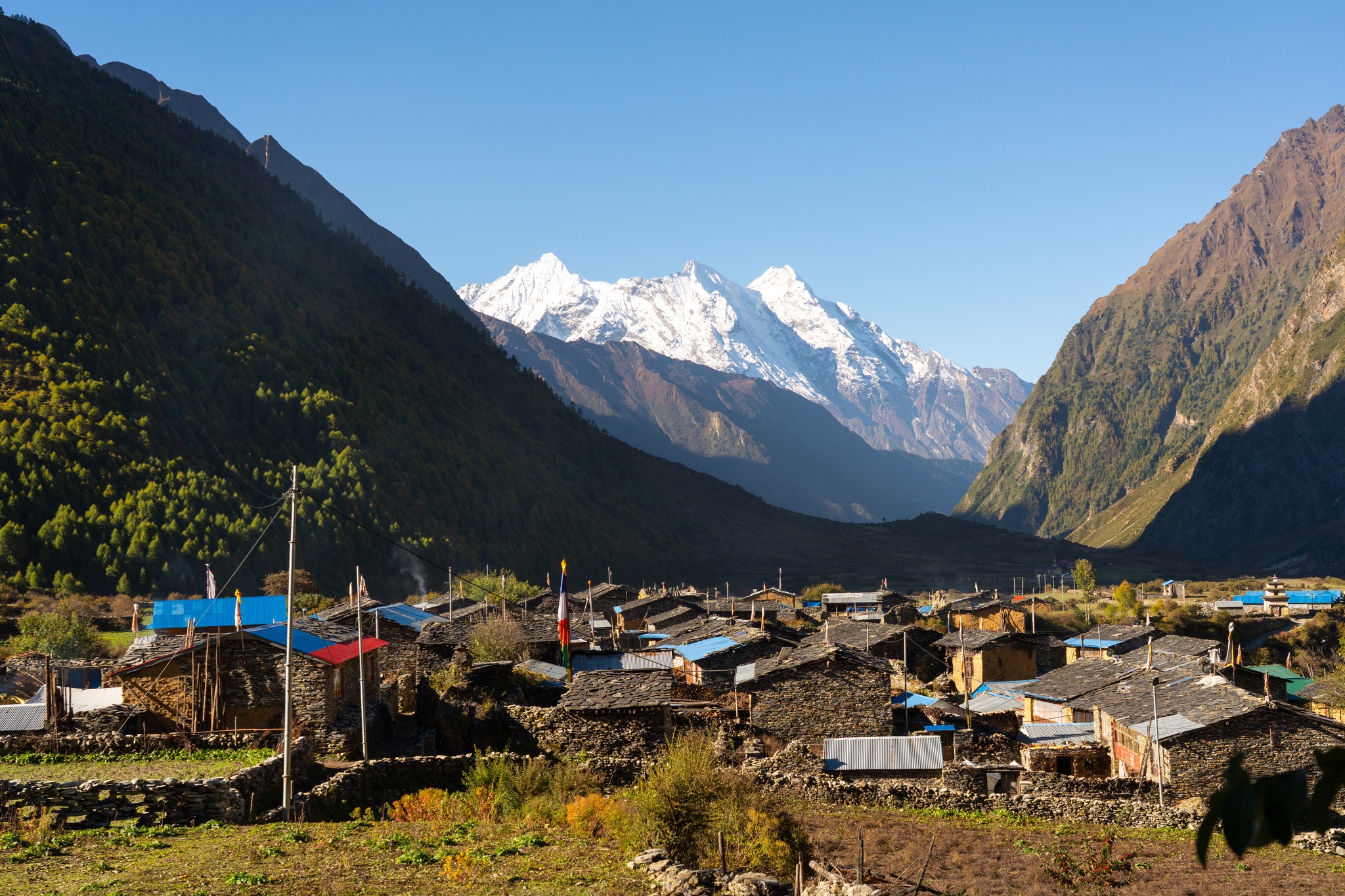
    After breakfast, drive through winding mountain roads toward Tangting or Yamjakot village. The route passes traditional settlements, terraced farmland, forests, and river valleys. As you leave urban areas behind, the scenery gradually becomes more rural and authentic. The Gurung villages along the route offer insight into local mountain lifestyles and culture. Snowy peaks occasionally appear above green hills, giving a glimpse of the landscapes ahead.

    Max Altitude: 1650
    Meals: Breakfast, Lunch and Dinner
    Accommodation: Guesthouse
    DAY 4

    Trek from Tangting to Krapu Cho (Tsho) – 2,930 m Distance: Approx. 10 km Trekking Hours: 5–6 hours

    Your trekking adventure officially begins today. The trail climbs steadily through dense forests, stone paths, and traditional grazing areas. Rhododendron and oak forests dominate much of the route, especially beautiful during spring bloom. As you gain elevation, views become increasingly dramatic. Krapu Cho is a peaceful highland area surrounded by natural beauty and mountain landscapes. Overnight camp allows you to experience a quiet wilderness atmosphere.

    Max Altitude: 2930
    Meals: Breakfast, Lunch and Dinner
    Accommodation: Teahouse
    DAY 5

    Trek from Krapu Cho to Tapro/Taprang – 3,385 m Distance: Approx. 8–9 km Trekking Hours: 5–6 hours

    Today's route gradually climbs through alpine landscapes and traditional grazing lands. Vegetation begins changing as lower forests slowly disappear and open mountain scenery appears. Along the route, you may encounter shepherd shelters and local herders. The views of surrounding ridges and distant Himalayan peaks continue improving throughout the day. Tapro or Taprang provides a scenic campsite surrounded by untouched landscapes and peaceful mountain surroundings.

    Max Altitude: 3385
    Meals: Breakfast, Lunch and Dinner
    Accommodation: Camping
    DAY 6

    Trek from Tapro/Taprang to Kwholasothar – 3,285 m Distance: Approx. 8 km Trekking Hours: 4–5 hours

    The trail today includes gradual ascents and descents through remote terrain with beautiful mountain panoramas. Trekking through isolated sections provides a feeling of true wilderness away from crowded trekking routes. Open ridgelines and grassy meadows dominate the landscape. Khwolasothar serves as an excellent resting point with spectacular scenery and opportunities to observe local highland environments.

    Max Altitude: 3285
    Meals: Breakfast, Lunch and Dinner
    Accommodation: Camping
    DAY 7

    Trek from Kwholasothar to Thulek – 4,070 m Distance: Approx. 9 km Trekking Hours: 6–7 hours

    Today brings a more challenging climb as you gain significant elevation. The trail crosses rugged mountain terrain and high alpine landscapes. As altitude increases, views become increasingly breathtaking. Snow-covered peaks and dramatic ridges dominate the horizon. The air becomes cooler and thinner as you reach Thulek, a spectacular high-altitude campsite offering incredible Himalayan scenery.

    Max Altitude: 4070
    Meals: Breakfast, Lunch and Dinner
    Accommodation: Camping
    DAY 8

    Trek from Thulek to Thurju via Chyangre Deurali Ridge – 4,070 m Distance: Approx. 11 km Trekking Hours: 6–7 hours

    Today's trail follows scenic ridges and mountain paths toward Thurju. Crossing Chyangre Deurali offers some of the trek's most memorable viewpoints. The ridge provides panoramic views of the surrounding Himalayan ranges, deep valleys, and remote landscapes. Trekking at high elevation creates a true sense of adventure and isolation. Arrive at Thurju and rest in preparation for tomorrow's acclimatization day.

    Max Altitude: 4070
    Meals: Breakfast, Lunch and Dinner
    Accommodation: Camping
    DAY 9

    Acclimatization Day – Hike to Dudh Pokhari (4,585 m) and Return to Thurju Distance: Approx. 7–8 km Trekking Hours: 4–5 hours

    Acclimatization plays a vital role in safe high-altitude trekking. Today you hike toward the sacred Dudh Pokhari, a beautiful alpine lake surrounded by rugged mountain scenery. The lake carries cultural and spiritual significance among local communities and pilgrims. Enjoy magnificent mountain views before returning to Thurju for overnight rest. The gradual climb and descent help your body adapt to higher elevation.

    Max Altitude: 4585
    Meals: Breakfast, Lunch and Dinner
    Accommodation: Camping
    DAY 10

    Trek from Thurju to Danfe Kharka (4,239 m) via Gurung Deurali – 4,910 m Distance: Approx. 12 km Trekking Hours: 7–8 hours

    This is one of the most exciting and demanding trekking days of the journey. The trail climbs toward Gurung Deurali, the highest point of the trek at 4,910 meters. The high pass rewards trekkers with extraordinary views of Annapurna, Lamjung Himal, Manaslu, and surrounding peaks. After enjoying the scenery, descend carefully toward Danfe Kharka. The landscapes are wild, dramatic, and truly unforgettable.

    Max Altitude: 4910
    Meals: Breakfast, Lunch and Dinner
    Accommodation: Camping
    DAY 11

    Trek from Danfe Kharka to Timang – 2,743 m Distance: Approx. 14 km Trekking Hours: 6–7 hours

    Today involves a long descent toward Timang village. As altitude decreases, forests gradually return, and oxygen levels become more comfortable. Waterfalls, forests, and traditional settlements create a refreshing change in scenery. Timang is a beautiful village with impressive mountain views and a rich local culture. Enjoy a comfortable evening after completing one of the remote sections of the trek.

    Max Altitude: 2743
    Meals: Breakfast, Lunch and Dinner
    Accommodation: Guesthouse
    DAY 12

    Drive from Timang to Besisahar Distance: Approx. 65 km Driving Hours: 5–6 hours

    After breakfast, begin the jeep journey toward Besisahar. Mountain roads pass through rivers, villages, waterfalls, and terraced landscapes. This route reconnects you with lower valleys and busier settlements after days in remote mountain terrain. Enjoy changing scenery while reflecting on your trekking achievements.

    Meals: Breakfast, Lunch and Dinner
    Accommodation: Guesthouse
    DAY 13

    Drive from Besisahar to Kathmandu – Explore Kathmandu Distance: Approx. 175 km Driving Hours: 6–7 hours

    Drive back to Kathmandu along scenic highways following river valleys and hillside communities. After arrival and hotel check-in, enjoy free time exploring Kathmandu. You may visit local markets, buy souvenirs, taste traditional Nepali cuisine, or simply relax. In the evening, celebrate the completion of your memorable Himalayan adventure.

    Max Altitude: 1400
    Meals: Breakfast, Lunch and Dinner
    Accommodation: Hotel
    DAY 14

    Departure Day Distance: Approx. 6–8 km (hotel to airport) Driving Time: 20–30 minutes

    Your remarkable trekking journey comes to an end today. Depending on your international flight schedule, our representative will transfer you to Kathmandu airport. Leave Nepal with unforgettable memories of remote mountain landscapes, local culture, alpine lakes, and extraordinary Himalayan experiences. We hope to welcome you again for another adventure in Nepal.

    Max Altitude: 1400
    Meals: Breakfast

    Services Included on Price

    Regular PackageUSD 1,595 per person

    Regular Package Service Includes

    • Airport arrival and departure transfers by private vehicle
    • All ground transportation as mentioned in the itinerary
    • Domestic mountain flight from Kathmandu to Pokhara
    • Two nights’ 3-star category hotel in Kathmandu with Breakfast
    • One night's accommodation with breakfast at a tourist-standard hotel in Pokhara
    • Full board meals during the trek (Breakfast, Lunch, and Dinner) with tea/coffee
    • Drinking Hot Water, Seasonal fresh Fruits, and snacks 
    • Best available tented camping accommodation during the trekking period
    • Professional English-speaking trekking guide and required support crew
    • The necessary number of porters and camping staff during the trek
    • Wages, food, accommodation, transportation, insurance, and equipment for guides and support staff
    • Annapurna Conservation Area Permit (ACAP) and all required trekking permits
    • Trekking route map and official government taxes
    • Camping equipment, including tents, a kitchen tent, a dining tent, and necessary logistics
    • First aid medical kit carried by trekking staff, 
    • Sleeping bag and duffel bag (returned after trek completion) if required
    • All government taxes and office service charges

    Regular Package Service Excludes

    • International airfare to and from Nepal
    • Nepal entry visa fees and related expenses
    • Travel and rescue insurance (Highly recommended)
    • Personal trekking equipment and clothing
    • Lunch and dinner in Kathmandu and Pokhara, except stated meals
    • Additional accommodation in Kathmandu or Pokhara due to early arrival, late departure, flight cancellation, or personal reasons
    • Personal expenses such as laundry, internet, phone calls, hot showers, charging fees, snacks, and beverages
    • Alcoholic drinks, soft drinks, bottled water, and extra beverages
    • Tips for trekking guide, porters, and support staff
    • Expenses arising from weather conditions, natural disasters, landslides, flight delays, political issues, or unforeseen circumstances beyond the company's control
    • Emergency evacuation charges if required, Oxygen Bottle for Altitude Sickness 
    • Any services not specifically mentioned in the “Cost Includes” section

    Traveller Useful Information

    Travel Insurance Guide for Everest Trek, Rafting & Safari in Nepal

    For Guests (International Travelers)

    • Travel insurance is mandatory and must include:
    • Emergency medical coverage
    • High-altitude trekking (up to 6,000m)
    • Helicopter evacuation
    • Hospitalization and repatriation

    You must show proof of insurance before the trek begins. Without it, we cannot proceed due to safety risks.

    For Nepali Staff (Guide & Porter)

    We cover:

    • Accident and medical insurance
    • Life insurance and evacuation
    • Meals, accommodation, gear, and wages

    All staff are fully insured and supported throughout the journey.

    Best Time to Visit Nepal for Everest Trek, Rafting & Jungle Safari

    Find the perfect season to enjoy trekking in the Himalayas, rafting the Trishuli River, and exploring Chitwan’s jungle wildlife.

    The ideal time to enjoy this diverse multi-adventure trip—combining high-altitude trekking, river rafting, and jungle safari—depends on seasonal weather conditions across Nepal’s varying landscapes. Here’s a detailed breakdown by season:

    - ? Autumn (September to November) – Best Overall Season

    • Crystal-clear skies and breathtaking mountain views
    • Comfortable daytime temperatures for trekking and wildlife safaris
    • Stable weather for flights and rafting

    A popular trekking season, so trails and teahouses may be busy

    - Best for: Everest Trek, Rafting, and Jungle Safari – all in great condition

    - ? Spring (March to May) – Highly Recommended

    • Warm, sunny days and excellent trekking conditions
    • Rhododendrons in full bloom along the trail
    • Ideal for rafting (good water flow) and Chitwan safaris (dry jungle paths)
    • Slight haze in the lower hills, but high visibility in mountains

    - Perfect for nature lovers and photographers

    - - ? Winter (December to February) – Calm and Cold

    • Cold temperatures, especially in higher altitudes
    • Trails are quieter with fewer trekkers
    • Chitwan and rafting are still enjoyable during warmer midday hours
    • High passes may have snow; shorter treks are preferred

    - Best for those seeking solitude and jungle warmth

    - - ? Monsoon (June to August) – Not Ideal for Trekking

    • Heavy rain and slippery trails make trekking difficult
    • Flight delays and cloud-covered mountains
    • Chitwan is lush and green, but wildlife is harder to spot
    • Rafting is still possible but river flow may be strong and muddy

    - Not recommended for Everest region trekking

    - - Recommended Travel Seasons:

    Spring (March–May) – for blooming trails and warm days

    Autumn (September–November) – for clear skies and top trekking conditions

    Best Equipment List for Everest Trek, Rafting & Chitwan Jungle Safari

    Everest Base Camp Trek Gear (High-Altitude Trekking)

    You’ll face cold temperatures, wind, and changing weather. Proper layering and insulation are essential.

    Clothing

    • Moisture-wicking base layers (top & bottom)
    • Insulated down jacket (can be provided by us)
    • Fleece jacket or mid-layer
    • Windproof and waterproof outer shell (jacket & pants)
    • Thermal leggings and trekking pants
    • Warm hat/beanie and sun cap
    • Buff or neck gaiter for wind/dust
    • Warm gloves (inner and outer pair)
    • Woolen trekking socks (4–5 pairs)
    • Lightweight t-shirts (2–3) and long-sleeve shirts (2)

    Footwear

    • Sturdy, waterproof trekking boots (well broken-in)
    • Camp shoes/slippers (for teahouses)
    • Gaiters (optional for snow/slush)

    Gear & Accessories

    • Daypack (25–30L) with rain cover
    • Duffel bag (provided if needed)
    • Trekking poles (can be provided)
    • Headlamp with extra batteries
    • Sunglasses with UV protection
    • Water bottles or hydration bladder (2L+ total capacity)
    • Water purification tablets or filters
    • Sleeping bag (rated -10°C to -15°C; provided if needed)
    • Trekking towel and toiletries
    • Sunscreen (SPF 40+), lip balm with SPF
    • First aid kit and personal medications
    • Diamox (altitude medication)
    • Lightweight crampons or microspikes (provided if required)
    • Energy bars/snacks
    • Passport and permits (safely packed in a zip pouch)
    • Lightweight quick-dry towel

    2. Trishuli River Rafting Gear (Half-Day Rafting)

    You’ll get wet, so quick-dry and water-safe gear is essential.

    Clothing & Essentials

    • Quick-drying shorts or swimsuit
    • Quick-dry t-shirt or rash guard
    • Water sandals or river shoes with straps (not flip-flops)
    • Change of clothes for after rafting
    • Towel and basic toiletries
    • Waterproof bag/dry bag (optional for valuables)
    • Sunglasses with strap
    • Sunscreen (water-resistant)

    Provided by Operator

    • Helmet, paddle, life jacket, safety rope
    • Professional rafting guide and safety kayaker

    Chitwan Jungle Safari Gear (Warm & Humid Climate)

    • Temperatures in Chitwan are warm and humid, especially compared to the mountains. Lightweight and breathable clothing is key.

    Clothing

    • Light-colored cotton shirts (long-sleeve for sun/insects)
    • Breathable pants (not shorts) for jungle walks
    • Light jacket or fleece for cool mornings
    • Hat with brim or cap for sun protection
    • Flip-flops or sandals (for resort)
    • Comfortable walking shoes

    Accessories

    • Insect repellent (mosquito protection is a must)
    • Sunscreen and sunglasses
    • Binoculars (for wildlife viewing)
    • Reusable water bottle
    • Camera with zoom lens (optional)

    Additional Essentials for the Entire Trip

    • Power bank (charging may be limited on trek)
    • Multi-plug adapter and universal travel charger
    • Personal hygiene items and biodegradable soap
    • Small padlock (for duffel/hotel bag)
    • Travel documents and passport copies
    • Lightweight book or journal (optional)
    • Earplugs (teahouses can be noisy)
    • Local currency (NPR) for extra expenses/tips

    Items Provided by Peace Nepal Treks (on request)

    • Sleeping bag
    • Down jacket
    • Duffel bag
    • Trekking poles
    • Microspikes/crampons (if needed)
    • NCELL local SIM card (to be returned after trek)

    Gurung Heritage Trekking Trail Altitude Profile

    FAQs

    Find answers to the most frequently asked questions about this tour.

    Q What services are included in the Gurung Heritage Trekking Trail?

    A

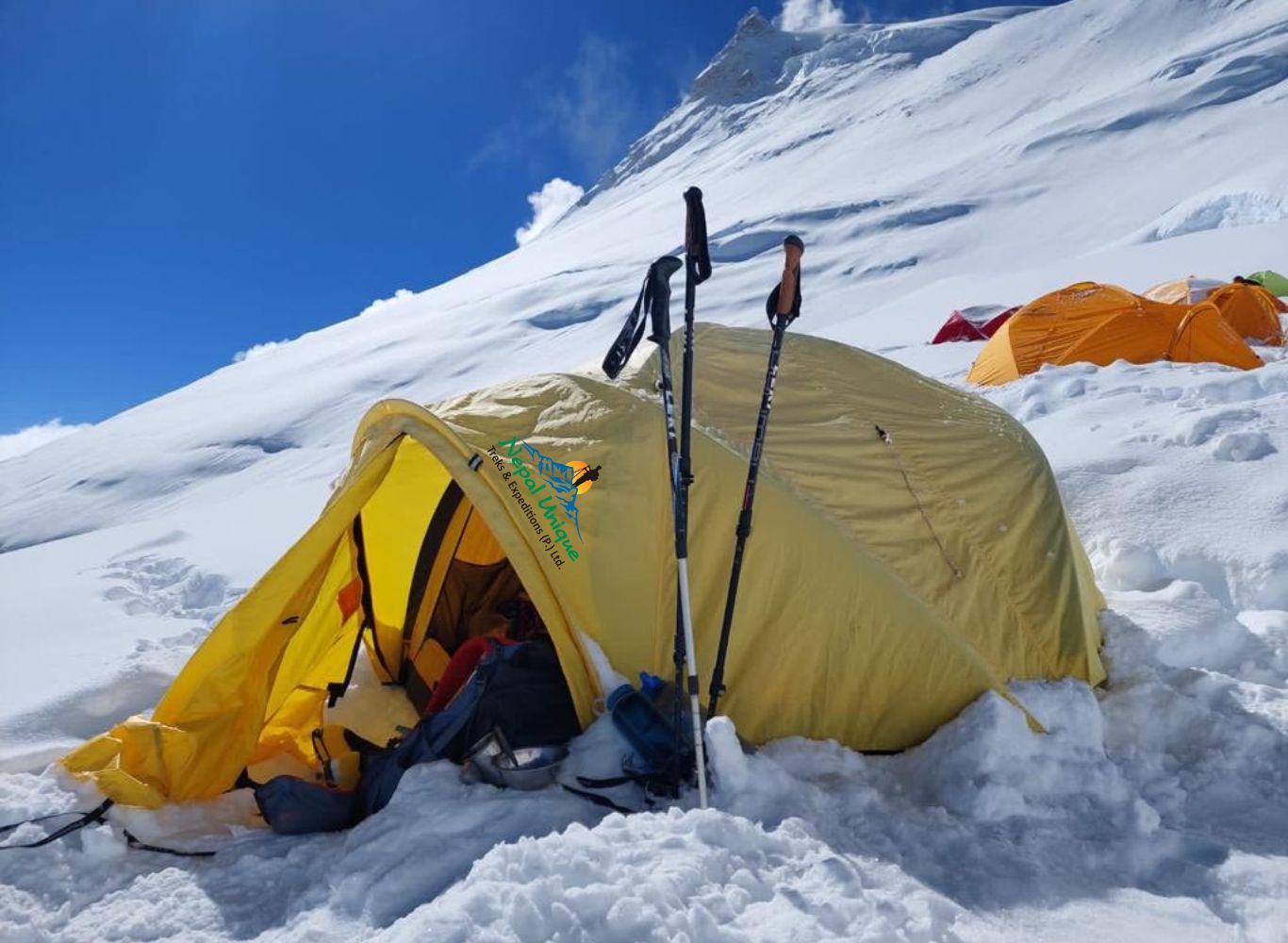
    The Gurung Heritage Trekking Trail includes full trekking support such as experienced guides, porters, permits, accommodation in clean guest tents, and freshly prepared meals. Nepal Unique Treks provides a complete camping setup, including dining tents, kitchen tents, shower tents, and toilet tents for a comfortable and organized trekking experience in the Annapurna region.

    Q What kind of food is provided during the trek?

    A

    We provide fresh, organic, and hygienic meals prepared by our professional kitchen team. The menu includes traditional Nepali food, energy-rich trekking meals, and simple continental, Chinese, Tibetan, Indean options. All food is cooked safely in our dedicated kitchen tent to ensure cleanliness and nutrition throughout the journey.

    Q What type of accommodation is available on the trek?

    A

    Accommodation is arranged in clean and comfortable guest tents. Each camping site includes sleeping tents, dining tents, kitchen tents, and separate shower and toilet tents. This ensures privacy, hygiene, and comfort even in remote trekking areas of the Gurung Heritage Trail.

    Q Is a guide required for the Gurung Heritage Trek?

    A

    Yes, a licensed trekking guide is highly recommended. Our professional guides provide cultural insight into the Gurung community, ensure safe navigation of trails, and assist with communication in local villages. This enhances both safety and cultural experience.

    Q How difficult is the Gurung Heritage Trekking Trail?

    A

    The trek is moderate in difficulty and suitable for beginners with basic fitness. It includes 4–6 hours of daily walking through villages, forests, and terraced landscapes. No technical climbing is required, but good stamina and preparation are important.

    Q What is the best season for the Gurung Heritage Trek?

    A

    The best time for the Gurung Heritage Trekking Trail is spring (March–May) and autumn (September–November). These seasons offer clear mountain views, stable weather, and comfortable trekking conditions.

    Q What makes Nepal Unique Treks special for this trek?

    A

    Nepal Unique Treks offers personalized service, experienced trekking staff, fresh organic meals, and fully managed camping equipment. We focus on safety, hygiene, cultural immersion, and creating a lifetime trekking experience in Nepal.

    background 1795 US$1595
    background

    ASSOCIATED WITH

    • partner
    • partner
    • partner
    • partner
    • partner
    • partner
    • partner

    Follow Us

    Find Your Perfect Tour