Sivapuri Hiking

5(149)
Download [PDF]
Sivapuri Hiking
    Trip Facts
    Accommodation:Hotel. Lodge .Tea House
    Height:2563 m.
    Grade:Easy
    Duration:01 Day
    Activity:Trekking and Culture Tour
    Transportation:Flight. Privet Car
    Treks Type:Tea House
    Best Season:Any

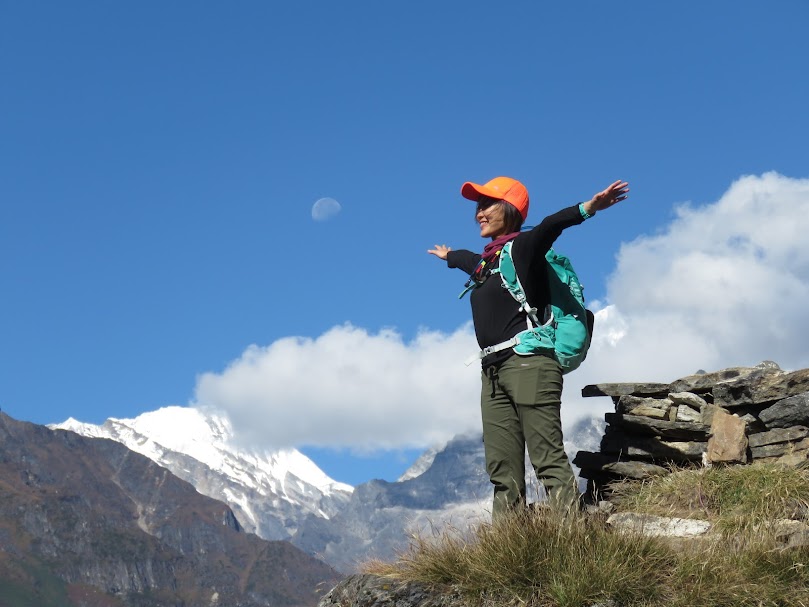
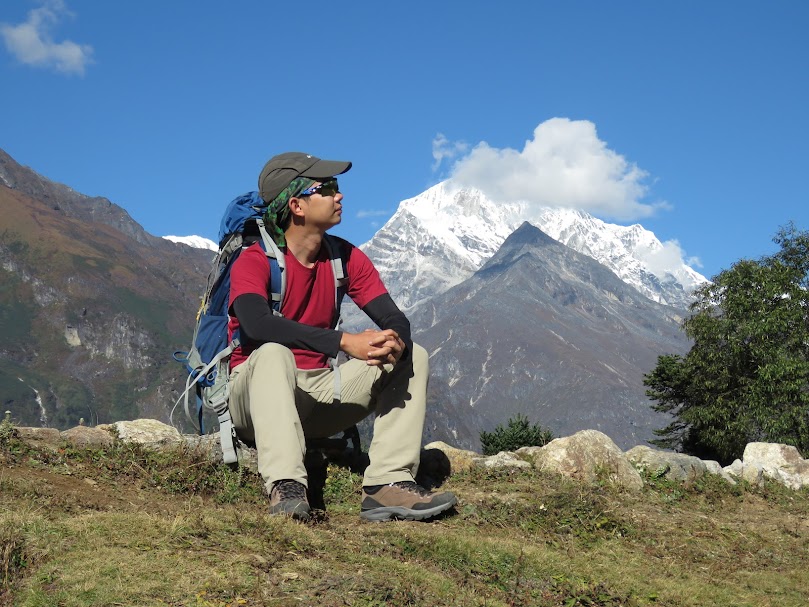
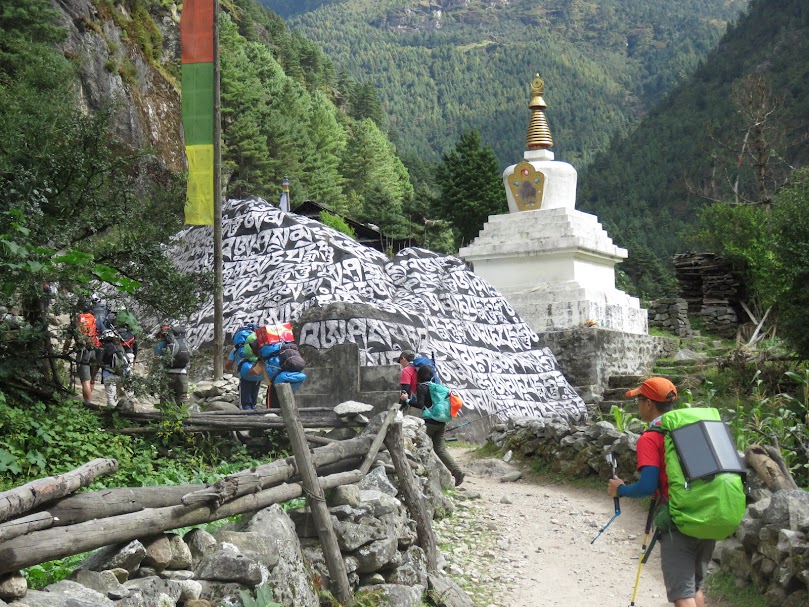
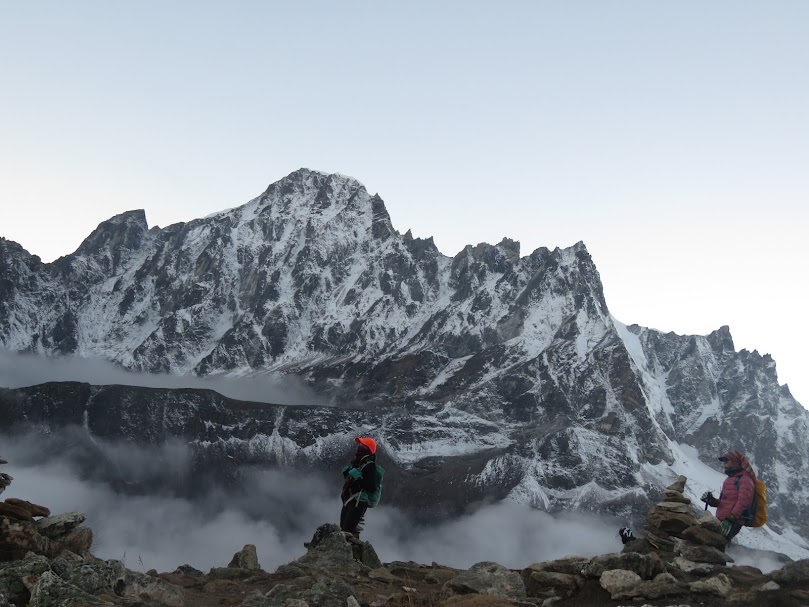
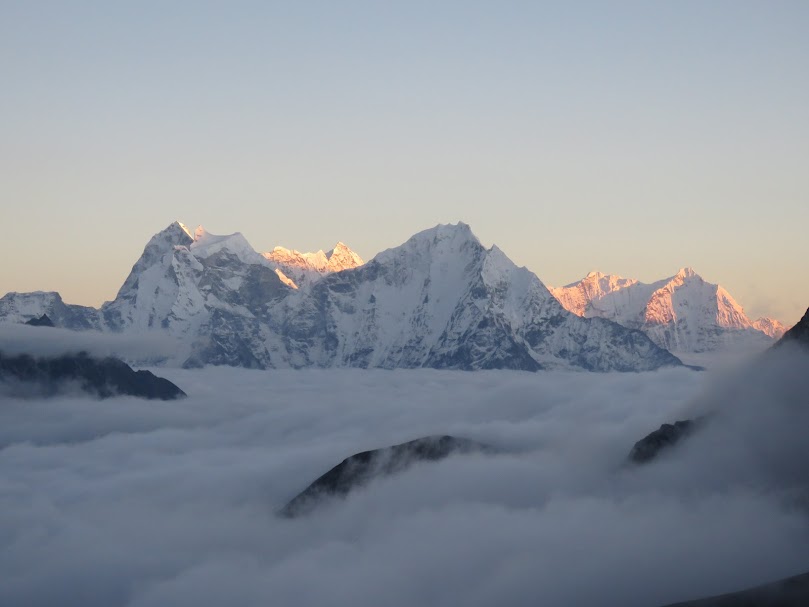
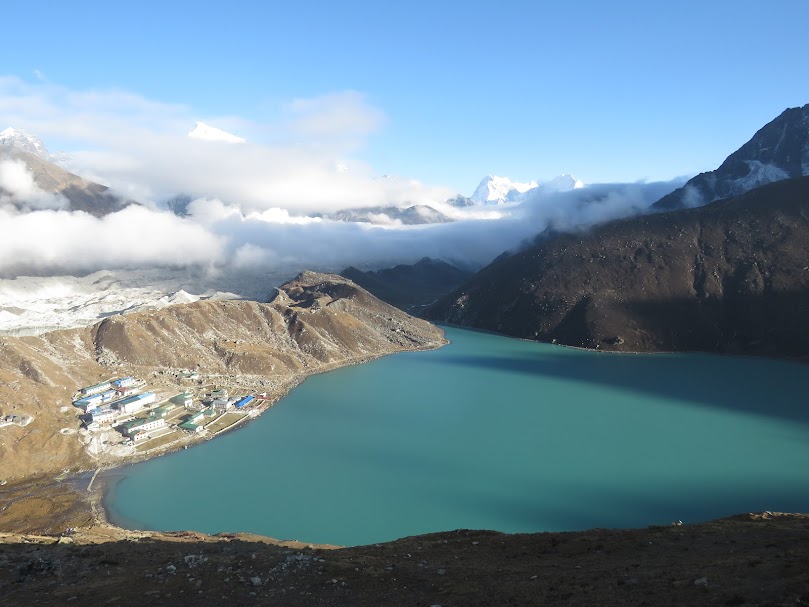
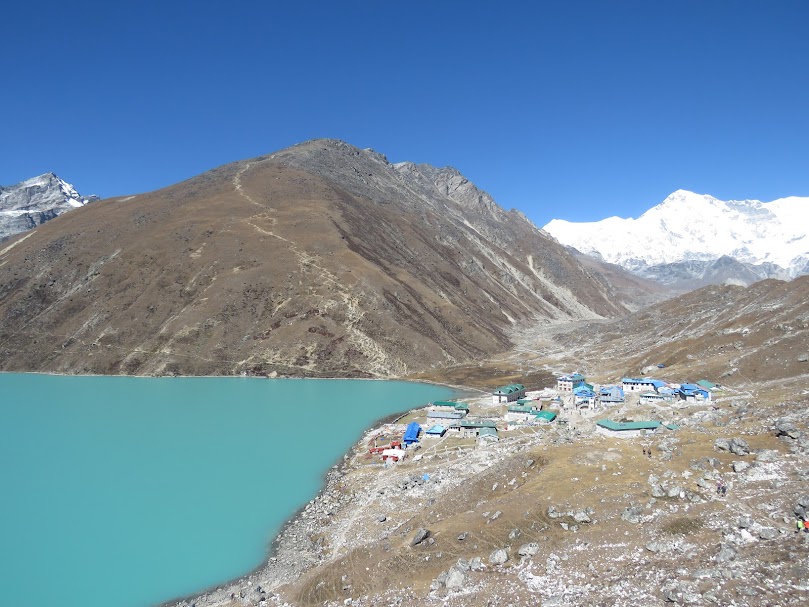
    Shivapuri hiking is the short hiking around the Kathmandu valley which provides the glimpse of the rural lifestyle and culture as well as the view of the Kathmandu valley. Shivapuri hiking.is the second highest hill around the Kathmandu valley from where you can observe the long panorama of the Himalayas in the north. Shivapuri national park on the Shivapuri hill which is the nearest national park from Kathmandu is famous for the wildlife and watershed area in Nepal. Shivapuri lies in the transition between subtropical and temperate climate zone. In this hiking you experience both subtropical and temperate zone in a single day. It is the main source of drinking water in the Kathmandu valley. Shivapuri village which is located in the park is the ideal village to experience the spirit of the hospitality and village experience of Nepal.

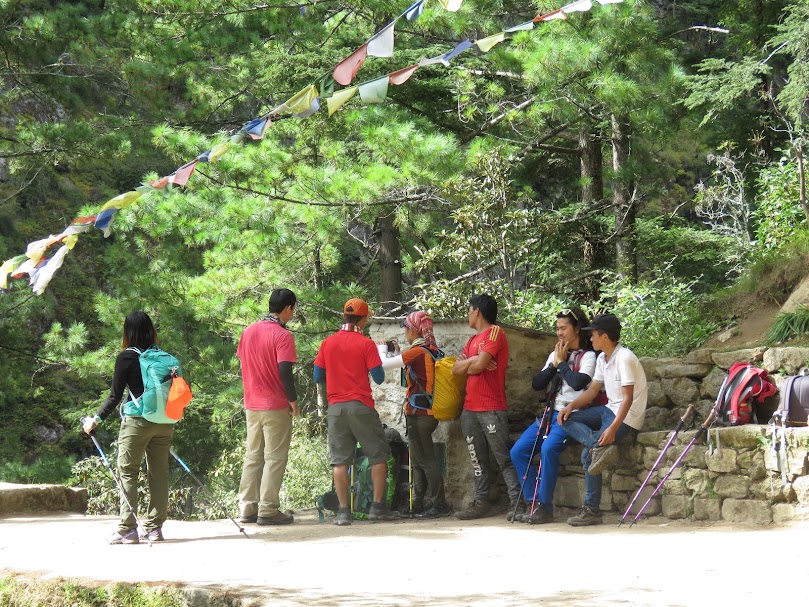
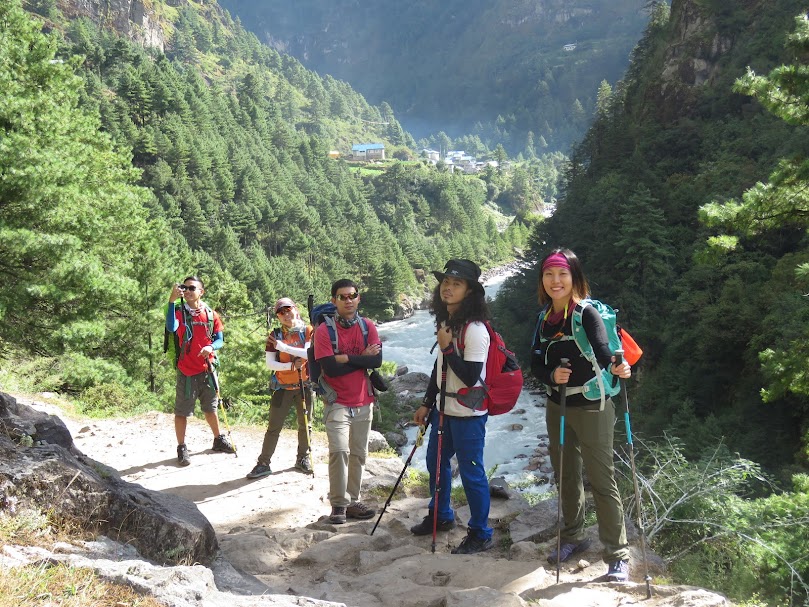
    This easy trek is best for the family trekking or for those who have limited time and old people to experience the grandeur of the Himalayas and the mountain villages. Shivapuri hiking begins from Budhanilkantha after short drive from Kathmandu. In Budhanilkantha you visit the Budhanilkantha temple, a temple of Hindu lord Vishnu who lies on the cosmic ocean and awakens on the Haribodhini Ekadashi which falls in October/ November. From Budhanilkantha you enter the Shivapuri national park and head to Shivapuri village. In the national park you can see various wild lives. While trekking you also see the beautiful view of the Kathmandu valley. In this hiking you can interact with different ethnic groups like Tamang, Newar, and Brahmin etc. Shivapuri hiking can be done throughout the year.

    Short Itinerary

    Day 1 :
    Drive to budhanilkantha then hike Shivapuri then back to kathmandu

    Details Itinerary

    DAY 1

    Drive to budhanilkantha then hike Shivapuri then back to kathmandu

    Drive to budhanilkantha then hike to bagdwar explore wild life. enjoy with nature back to hike seem trail. drive back to Kathmandu overnight at hotel

    Max Altitude: 1345
    Meals: BLD
    Accommodation: Hotel

    Services Included on Price

    Regular Package

    Regular Package Service Includes

    • Sivapuri national park fee 
    • Trekking guide. porter 
    • All transportation pickup drop 

    Traveller Useful Information

    Essential Gear for Your Himalayan Adventure in Langtang Trek

    Planning a trek to the Langtang Valley? This comprehensive checklist will help you pack the right gear for a safe, comfortable, and enjoyable trekking experience in Nepal. Whether you're on a short hike or a longer adventure, preparation is key. Most trekking gear can also be rented or purchased affordably in Kathmandu.

    Personal Trekking Gear

    These are the core items every trekker should bring

    • Trekking Boots – Durable, waterproof, and well broken-in
    • Lightweight Camp Shoes or Sandals – For comfort at tea houses
    • Warm Wool or Thermal Socks – At least 3–4 pairs
    • Insulated Down Jacket – Essential for cold mornings and nights
    • Fleece Jacket or Pullover – Great for layering
    • Moisture-Wicking T-Shirts – Quick-dry and breathable (3–4)
    • Trekking Trousers – Lightweight and stretchable (2 pairs)
    • Shorts – For warm days (1–2 pairs)
    • Base Layers – Thermal underwear for extra warmth
    • Rain Jacket or Windbreaker – Waterproof and windproof
    • Swimwear – Optional, for hot springs or showers

    Clothing Accessories

    • Sun Hat or Cap – For sun protection
    • Warm Woolen Hat or Beanie – For cold weather
    • Gloves – Thin liner gloves and insulated outer gloves
    • Neck Gaiter or Buff – Useful against dust and cold
    • Gaiters – To keep snow or mud out of boots (optional)

    Backpacks and Sleeping Gear

    • Day Pack (20–30L) – For your daily essentials
    • Duffel Bag or Trekking Rucksack (60–80L) – Carried by your porter
    • Sleeping Bag – Rated for at least -10°C (can rent in Kathmandu)
    • Sleeping Bag Liner – For extra warmth and hygiene

    Essential Trekking Tools

    • Headlamp or Torch – With extra batteries
    • Water Bottles or Hydration Bladder – Minimum 2 liters total capacity
    • Water Purification Tablets or Filter – For safe drinking water
    • Sunglasses – UV-protective, for high-altitude sun
    • Sunscreen – SPF 30+ recommended
    • Lip Balm with SPF

    Personal Hygiene & Health

    • Toiletries – Toothbrush, toothpaste, biodegradable soap
    • Travel Towel – Quick-drying microfiber
    • Wet Wipes – For cleaning when showers aren’t available
    • Toilet Paper – Bring your own!
    • Hand Sanitizer
    • Basic First Aid Kit – Include band-aids, antiseptic, blister treatment
    • Personal Medication – Cough drops, cold meds, altitude pills (Diamox), etc.
    • Throat Lozenges
    • Anti-diarrhea Tablets
    • Painkillers

    Tech & Entertainment

    • Camera with Extra Memory Cards and Batteries
    • Power Bank
    • Music Player, Kindle, or Book
    • Notebook and Pen
    • Pack of Cards or Small Travel Games

    Optional but Useful Extras

    • Binoculars
    • GPS Device or Altimeter
    • Compass
    • Plastic Bags for Waste
    • Padlock – For securing your duffel or lodge locker
    • Energy/Snack Bars – For quick fuel on the trail

    Carry only essentials in your daypack (water, snacks, camera, extra layer).

    Your porter will carry up to 20–25 kg of your main luggage between two guest.

    Don’t stress if you forget something – Kathmandu is well-stocked with trekking gear at reasonable prices.

    Best Time to Trek Langtang Valley: Ideal Seasons & Weather Tips

    Choosing the right season can make a huge difference in your Langtang trekking experience. The Langtang region, like most of Nepal's trekking areas, has two main trekking seasons that offer the best weather, visibility, and trail conditions.

    Spring Season (March to May)

    Why It's Great?

    • Blooming rhododendron forests and wildflowers
    • Warmer temperatures at higher altitudes
    • Longer daylight hours for trekking
    • Excellent mountain visibility, especially in April

    Weather Overview

    • Daytime temperatures: 10–20°C (lower elevations)
    • Nights: Can be cold, especially above 3,000 meters
    • Minimal rainfall and stable weather make it one of the most popular trekking seasons.

    Autumn Season (September to November)

    Why It's Ideal?

    • Crystal-clear skies with stunning mountain views
    • Comfortable trekking temperatures
    • Trails are dry and safe
    • Great for cultural experiences during major festivals like Dashain and Tihar

    Weather Overview

    • Daytime temperatures: 10–18°C
    • Nights: Cold in higher regions, around 0°C or lower
    • Post-monsoon air is fresh and clean, offering unbeatable visibility.

    Monsoon Season (June to August) – Not Recommended

    • Heavy rains lead to muddy trails and leeches
    • Frequent landslides and poor visibility
    • Clouds often block mountain views

    Winter Season (December to February) – Only for Experienced Trekkers

    • Clear skies but extremely cold, especially at night
    • Snowfall can block higher sections like Kyanjin Ri and Tserko Ri
    • Fewer trekkers and a peaceful environment

    When Should You Go?

    The best time to trek the Langtang Valley is during spring (March–May) and autumn (September–November). These months offer the perfect balance of clear skies, good trail conditions, and comfortable temperatures—ideal for both beginner and seasoned trekkers.

    Travel Insurance for the Langtang Trek: Why It's Essential

    Travel insurance is a must-have for anyone planning to trek in the Langtang region. The terrain, altitude, and remote location mean that having proper insurance not only offers peace of mind but can also save you from significant expenses in case of emergencies.

    Why You Need Travel Insurance for Langtang

    Emergency Evacuation: One of the most important coverage elements. If you suffer altitude sickness or any serious injury, helicopter evacuation can cost thousands of dollars.

    Medical Coverage: Trekking at high altitudes can increase the risk of illness. Insurance should cover hospital stays, doctor visits, and medications.

    Trip Cancellations or Interruptions: Natural disasters, political unrest, or personal emergencies could affect your trip. Insurance can help recover non-refundable costs.

    Lost or Stolen Baggage: Coverage for lost gear or delayed baggage is especially useful if you're carrying valuable trekking equipment.

    Adventure Activity Coverage: Make sure the policy covers trekking up to at least 5,000 meters (Langtang's highest points reach around 4,984 meters at Tserko Ri).

    What to Look for in a Policy

    When selecting travel insurance for the Langtang Trek, make sure your policy includes:

    • High-altitude trekking (up to 5,000 meters)
    • Helicopter rescue and evacuation
    • Medical treatment coverage in Nepal

    Repatriation costs

    Coverage for trip cancellation or delays

    Recommended Insurance Providers

    While many global insurance companies offer coverage, some are known for catering specifically to trekking and high-altitude adventures:

    World Nomads – Popular with trekkers, covers high-altitude hiking and emergency evacuations.

    SafetyWing – Great for digital nomads and long-term travelers, includes trekking coverage.

    Global Rescue – Specializes in adventure travel and emergency evacuations.

    IMG (International Medical Group) – Offers customizable travel insurance plans with adventure sports add-ons.

    Tip for Booking

    Always check the fine print and confirm that your insurance explicitly covers trekking in Nepal and helicopter evacuation above 4,000 meters. Some policies require an additional premium for adventure activities.

    Sivapuri Hiking Altitude Profile

    FAQs

    Find answers to the most frequently asked questions about this tour.

    Q Can this trip itinerary be customized?

    A Yes. We can customize days, accommodation, and pace based on your interests and fitness level.
    background

    ASSOCIATED WITH

    • partner
    • partner
    • partner
    • partner
    • partner
    • partner
    • partner

    Follow Us

    Find Your Perfect Tour