The Nar Phu Valley Trek starts from Koto, following rugged trails that wind through gorges, alpine forests, and ancient Tibetan-style villages. As you move toward Phu Village, you’ll witness medieval monasteries, high-altitude grazing settlements, and awe-inspiring mountain vistas of Annapurna II, Himlung Himal, and Gangapurna.
Crossing the Kang La Pass (5,320m) is one of the most thrilling sections of the journey, connecting Nar Village to Manang — the heart of the Annapurna Circuit. From the top, trekkers enjoy panoramic views of snow-capped peaks and dramatic Himalayan landscapes that few travelers ever get to see.
The Nar Phu Valley and Kang La Pass Trek is one of Nepal’s most spectacular and least-explored trekking adventures, taking travelers deep into the remote valleys north of the Annapurna region. This incredible journey combines ancient Tibetan culture, dramatic high-mountain landscapes, and a thrilling high pass crossing at Kang La Pass (5,320m). Organized by Nepal Unique Treks, this trek offers the perfect opportunity to discover the untouched beauty and living traditions of the Nar and Phu Villages — two hidden gems of the Himalayas.
Starting from Koto Manang, the Nar Phu Valley Trek Nepal follows the rugged trail through narrow canyons, remote settlements, and stunning alpine scenery. Trekkers pass through Meta, Phu Village, and Nar Village, each offering breathtaking views of peaks like Annapurna II, Himlung Himal, and Gangapurna. The landscapes transition from lush pine forests to barren high-altitude terrain, reflecting the unique beauty of this isolated Himalayan region.
One of the main highlights of the journey is the crossing of Kang La Pass, which connects Nar Village to the beautiful Manang Valley. From the top, trekkers are rewarded with panoramic views of the Annapurna range and the surrounding snow-covered peaks — a moment that truly defines the adventure. The Nar Phu Valley Trekking Route also links with parts of the Annapurna Circuit, making it possible to extend the journey for a longer and more diverse Himalayan experience.
The Nar Phu Valley Trek Itinerary usually takes 12 to 18 days, depending on acclimatization and travel pace. Being a restricted area trek, travelers require a special Nar Phu Valley Trek Permit, which Nepal Unique Treks arranges along with ACAP and TIMS permits. The Nar Phu Valley Trek Cost varies depending on group size and services, but our packages offer the best value, including experienced local guides, comfortable lodges, and all logistics.
This region is not only about stunning landscapes but also about cultural richness. The Nar Phu Valley Adventure introduces you to centuries-old Tibetan Buddhist traditions, ancient monasteries, and warm hospitality from the local people. Trekkers often enjoy Nar Phu Valley Homestay Trek experiences, where they can learn about local life and enjoy authentic Himalayan meals.
The Nar Phu Valley Trek Difficulty is moderate to challenging, suitable for experienced trekkers or fit adventurers ready for remote trails and altitude. The best time for Nar Phu Valley and Kang La Pass Trek is during spring (March–May) and autumn (September–November) when the weather is clear and mountain views are at their best.
With Nepal Unique Treks, your journey through the Hidden Valley Trek in Nepal becomes a once-in-a-lifetime experience filled with adventure, cultural immersion, and breathtaking Himalayan panoramas. Whether you wish to combine it with the Annapurna Circuit Trek or explore the off-the-beaten-path trails of Nar Phu, this trek promises an unforgettable Himalayan discovery.
The best time for the Nar Phu Valley and Kang La Pass Trek largely depends on weather conditions, visibility, and trail accessibility. As the region lies in the remote rain-shadow area of the Annapurna and Manang region, spring (March to May) and autumn (September to November) are considered the most favorable trekking seasons. These periods offer stable weather, clear mountain views, and ideal temperatures for high-altitude trekking.
Spring is one of the most popular times to trek to Nar Phu Valley and Kang La Pass. During these months, the trails are filled with blooming rhododendrons and alpine flowers, making the journey colorful and pleasant. The days are warm with crystal-clear views of peaks like Annapurna II, Gangapurna, Tilicho, and Himlung Himal. Temperatures are moderate, ranging from 10°C to 20°C during the day and colder at higher altitudes during the night. This season is perfect for those who enjoy trekking in a vibrant landscape with fewer weather-related challenges.
Autumn is widely regarded as the best time for trekking in the Nar Phu Valley. After the monsoon, the air becomes crisp and clean, offering excellent visibility of the mountains and valleys. The temperature is cool and comfortable for long trekking days, typically ranging from 5°C to 18°C. The trails are dry and safe, and this period also coincides with major Nepalese festivals like Dashain and Tihar, giving trekkers a chance to experience local culture and traditions in the remote villages of Nar and Phu.
Winter brings freezing temperatures and heavy snow at higher elevations, especially around Kang La Pass (5,320m). While lower sections of the trail remain accessible, crossing the pass can be extremely difficult or even closed due to snow accumulation. Only experienced trekkers with proper gear and guides should consider this season. However, the clear skies and peaceful atmosphere can make it a rewarding experience for those seeking solitude.
The monsoon season is not ideal for the Nar Phu Valley Trek, as heavy rainfall can make lower trails slippery and prone to landslides. However, since the Nar Phu Valley lies in a rain-shadow region of the Annapurna, it receives significantly less rain than other areas of Nepal. This means that experienced trekkers looking for a quieter trail can still enjoy the trek with proper preparation and guidance.
Welcome to Nepal! Upon arrival at Tribhuvan International Airport in Kathmandu, a representative from Nepal Unique Treks will warmly greet you and transfer you to your hotel in Thamel, the bustling heart of the city. You’ll have time to relax after your journey or explore the nearby streets filled with cafés, shops, and temples. In the evening, we’ll host a short briefing about your upcoming trek.
After breakfast, enjoy a guided sightseeing tour around Kathmandu Valley’s UNESCO World Heritage Sites. Visit the spiritual Swayambhunath Stupa (Monkey Temple), the sacred Pashupatinath Temple, and the serene Boudhanath Stupa. Later in the afternoon, our team will assist you in checking your trekking gear and finalizing the permits required for the Nar Phu Valley Trek. Overnight stay in Kathmandu.
Your adventure begins with a scenic drive from Kathmandu to Besisahar, the gateway to the Annapurna region. From Besisahar, you’ll switch to a shared jeep that follows a rough mountain road alongside the Marsyangdi River, passing through charming villages and lush hills until you reach Dharapani. Overnight in Dharapani.
Leaving Dharapani, the trail gradually ascends through pine and fir forests, passing traditional stone houses and beautiful landscapes. Koto is a small Gurung village located at the junction of the Annapurna and Nar Phu trails. Here, we register our restricted area permits before entering the remote Nar Phu Valley. Overnight in Koto.
Today’s trek takes you deep into the wild and remote Nar Phu region. The trail follows the Nar Khola River, crossing suspension bridges and dense forests. You’ll pass through isolated villages and narrow canyons before reaching Meta, a stunning town surrounded by rocky hills and dramatic landscapes. Overnight in Meta.
The journey continues along a rugged trail leading to Phu Village, one of the most remote settlements in Nepal. Along the way, enjoy breathtaking views of Annapurna II, Lamjung Himal, and Kang Guru. As you approach Phu, you’ll see ancient Tibetan-style houses and centuries-old monasteries perched on rocky cliffs. Overnight in Phu Village.
Today is an essential acclimatization day. Explore Phu Village, its traditional stone houses, and the Tashi Lhakhang Monastery, which was visited by the 8th-century saint Lama Karma Sonam Rimpoche. Interact with locals to learn about their unique Tibetan Buddhist culture and take in the panoramic mountain views. Overnight in Phu.
After breakfast, retrace your steps back down the valley, crossing scenic gorges and suspension bridges. You’ll descend gradually to Nar Phedi, where you’ll stay at the local monastery run by friendly nuns. Experience the warm hospitality and peaceful environment of this simple yet charming stopover. Overnight at Nar Phedi Monastery.
Today’s trek ascends steadily through terraced fields and small chortens (Buddhist shrines) toward Nar Village, another hidden Himalayan gem. The trail offers panoramic views of Pisang Peak and Kang Guru. Nar is a larger settlement compared to Phu and gives you a closer look at the lifestyle of the high Himalayan people. Overnight in Nar Village.
This is one of the most challenging yet rewarding days of the trek. Start early to cross the Kang La Pass, which connects Nar Valley to the main Annapurna Circuit route. From the top, the views of the Annapurna range, including Annapurna II, Gangapurna, and Tilicho Peak, are spectacular. Descend steeply to Ngawal Village, located in the Upper Pisang region. Overnight in Ngawal.
A short and scenic day, the trail descends gradually toward Manang, one of the largest villages in the region. The route offers a mix of alpine meadows, mani walls, and breathtaking mountain views. In Manang, you’ll find cozy bakeries, teahouses, and a lively Himalayan atmosphere. Overnight in Manang.
Spend a relaxing day exploring Manang and its surroundings. Visit the Gangapurna Lake, explore local monasteries, or hike to viewpoints overlooking the valley. This extra day helps you rest and enjoy the cultural and natural beauty of the region. Overnight in Manang.
After breakfast, board a local jeep and enjoy a bumpy but scenic drive back to Besisahar, passing through Chame, Timang, and Dharapani. The drive offers final glimpses of the Annapurna peaks and deep valleys. Overnight in Besisahar.
Today, you’ll drive back to Kathmandu along the Prithvi Highway, passing through terraced hills, rivers, and traditional villages. Upon arrival, transfer to your hotel for a relaxing evening. Enjoy a farewell dinner with the Nepal Unique Treks team to celebrate your successful Nar Phu Valley adventure.
After breakfast, our team will transfer you to the airport for your international flight. We hope you had an unforgettable experience exploring the hidden valleys of Nar and Phu with Nepal Unique Treks. Namaste and see you again!
(All equipment must be returned after the trek.)
The Nar Phu Valley Trekking Route typically spans 12 to 18 days, depending on acclimatization and travel pace. The route begins with a drive from Kathmandu to Koto, followed by treks through Meta, Phu Village, and Nar Village, before ascending the challenging Kang La Pass and descending toward Manang.
Our carefully designed Nar Phu Valley Trek Itinerary ensures gradual altitude gain, proper acclimatization, and enough time to explore local culture and monasteries.
Being a restricted area trek, you’ll need a special Nar Phu Valley Trek Permit issued by the Nepal government. Nepal Unique Treks handles all required permits, logistics, and accommodations for a hassle-free experience.
The Nar Phu Valley Trek Cost generally varies based on group size, services, and route customization — but our all-inclusive packages offer the best value with professional guides, local lodges, and personalized service.
The Nar and Phu Villages Trek offers a rare glimpse into preserved Himalayan traditions. Locals follow Tibetan Buddhism, evident in prayer flags, chortens, and ancient monasteries such as Tashi Lakhang. Travelers can also enjoy Nar Phu Valley Homestay Treks, interacting directly with local families and experiencing their warm hospitality.
The Nar Phu Valley Trek Difficulty is graded as moderate to challenging, suitable for experienced trekkers or fit beginners seeking adventure.
The best time for Nar Phu Valley and Kang La Pass Trek is during spring (March–May) and autumn (September–November) when skies are clear, trails are stable, and mountain views are spectacular.
At Nepal Unique Treks, we specialize in organizing authentic, safe, and rewarding treks in Nepal’s remote regions. Our Nar Phu Valley Trekking Packages combine expert local guides, reliable support staff, and well-crafted itineraries that highlight both the natural beauty and cultural depth of the region. Whether you’re looking for a Nar Phu Valley and Annapurna Circuit Combined Trek or a customized Nar Phu Valley Adventure, we ensure a life-changing Himalayan experience tailored to your needs.
Here’s a list of must-have items:
Yes. You can rent or buy quality trekking gear in Thamel (Kathmandu) or Lakeside (Pokhara). Items like sleeping bags, down jackets, and poles are widely available at affordable rates.
No. Crampons or ice axes are not required for this trek unless you’re trekking in deep winter (Dec–Feb) when snow can block the trail.
The best seasons are:
Spring (March to May): Clear skies, rhododendron blooms, and pleasant temperatures.
Autumn (September to November): Best visibility, dry trails, and perfect mountain views.
Yes, but expect very cold mornings and nights (down to -15°C at ABC). The trail may be snowy, and some lodges could be closed. Proper gear is essential.
Monsoon (June to August) is not recommended due to heavy rain, muddy/slippery trails, leeches, and poor visibility.
Yes. Travel insurance is mandatory for all trekkers. Your insurance must include:
Your policy should cover trekking up to 4,500 meters, which is above Annapurna Base Camp (4,130m).
Always carry:
Yes. Reputable trekking agencies like Peace Nepal Treks provide:
Find answers to the most frequently asked questions about this tour.
The Nar Phu Valley Kang La Pass Trek is an adventurous journey through the hidden valleys of Nar and Phu in the remote Annapurna region of Nepal. This trek combines ancient Tibetan culture, dramatic landscapes, and the challenging Kang La Pass (5,320m), which offers breathtaking views of the Annapurna massif.
Nar Phu Valley lies in the Manang district of the Annapurna region, near the Tibetan border. It is a restricted area of Nepal, accessible only with a special trekking permit and accompanied by a registered trekking guide.
The trek is considered moderate to challenging. The trails include steep ascents, rocky paths, and high-altitude passes above 5,000 meters. Good physical fitness and some previous trekking experience in the Himalayas are highly recommended.
Typically, the Nar Phu Valley Kang La Pass Trek takes 15 to 18 days, depending on your itinerary and acclimatization schedule. Nepal Unique Treks offers customizable itineraries that include both Nar Phu exploration and crossing Kang La Pass into the Manang region.
You need three main permits:
Nepal Unique Treks will arrange all necessary trekking permits on your behalf.
The best time to trek is during spring (March to May) and autumn (September to November). These seasons offer clear skies, stable weather, and spectacular mountain views. However, experienced trekkers can also attempt it in early winter for a quieter experience.
Yes. Since Nar and Phu are restricted areas, trekking without a licensed guide and registered trekking agency is not permitted. Nepal Unique Treks provides professional local guides familiar with the culture, trails, and safety protocols of the region.
You’ll stay in basic teahouses run by local families, offering simple rooms and traditional meals. The facilities are more basic compared to popular routes like the Annapurna Circuit, but they provide a genuine Himalayan experience.
Kang La Pass stands at 5,320 meters (17,454 ft). It is the highest point of the trek, offering panoramic views of Annapurna II, Gangapurna, and Tilicho Peak. Crossing the pass can be challenging, especially if there’s snow, but it’s an unforgettable highlight of the adventure.
Yes, since the trek reaches high elevations above 5,000m, altitude sickness can occur. Proper acclimatization days, hydration, and a gradual ascent are essential. Nepal Unique Treks designs safe itineraries with adequate rest days for altitude adaptation.
Absolutely! After crossing Kang La Pass, you descend to Manang, which connects with the Annapurna Circuit Trail. Many trekkers continue towards Thorong La Pass (5,416m) for an extended Himalayan adventure.
Essential items include:
Nepal Unique Treks provides a full equipment checklist upon booking.
Limited Wi-Fi and phone networks are available in a few villages, but expect minimal connectivity throughout most of the trek. It’s best to prepare for an off-the-grid Himalayan adventure.
Nepal Unique Treks offers experienced guides, reliable logistics, and custom itineraries tailored to your comfort and interests. As a local trekking agency in Kathmandu, we ensure your safety, permit arrangements, and authentic cultural experience throughout your journey.



© 2011 - 2026 All rights reserved. Nepal Unique Treks Developed By : Xenatech Nepal
 WhatsApp
 Plan Your Trip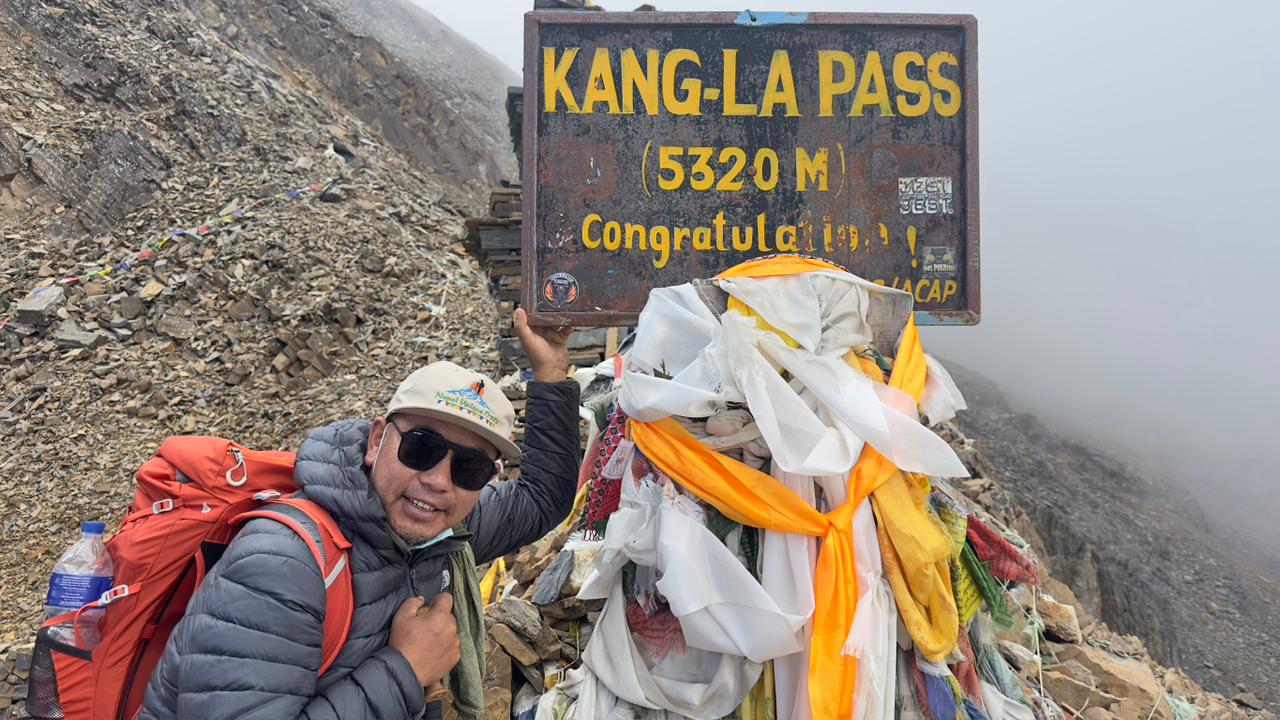


 US$695


 Reviews 5/5
 Reviews 5/5
 Reviews 5/5