Any date you desire can be designed for the Kathmandu to Lumbini excursion. The main monuments, including the Maya Devi temple, Ashoka pillar, Bodhi tree, holy ponds, world peace stupa, and other monasteries, are located in Lumbini Garden, which is reached after a first flight to Bhairahawa airport and a subsequent 40-minute drive.
You are greeted and taken to the locations by our knowledgeable professional guide who is well-versed in Buddhism. Since cars are not permitted inside Lumbini Garden, you must either walk or take a tuk-tuk for your trip.
Your visit to the Maya Devi temple and its surroundings will cover all of the significant locations during the first leg of the tour. The second part of the excursion includes a tuk-tuk journey toward the monasteries area. Your lunch will be served at a restaurant close to Lumbini Garden following the memorial tour.
Lord Buddha, the prophet of peace and the Light of Asia, was born at Lumbini in 623 B.C. The Holy Lumbini location, which the Buddha once referred to as a lovely garden, still exudes the same allure and beauty. Nowadays, you can study Buddhism, practice meditation, visit the birthplace within the revered Mayadevi Gardens, and tour over twenty-five Buddhist monasteries constructed by many nations, from France to Vietnam.
Under the Bodhi tree, one can engage in yoga and meditation, which Buddhists regard as means of purifying the mind and soul. Lumbini has recently been designated a World Heritage Site by UNESCO. It has a great deal of potential to become Nepal's top tourist attraction.
Upon arrival at the Tribhuvan International Airport in Kathmandu, you will be picked up by a representative from your tour company and transferred to your hotel. Spend the rest of the day exploring the city on your own.
Take a full-day guided tour of the city's major attractions, including the Swayambhunath Stupa (also known as the Monkey Temple), the Pashupatinath Temple, the Boudhanath Stupa, and the Kathmandu Durbar Square. Each of these sites has unique historical and cultural significance.
After breakfast, drive to Lumbini, which is located about 300 kilometers southwest of Kathmandu. The journey takes around 7-8 hours, so you can expect to arrive in the late afternoon or early evening. Check into your hotel and rest for the evening.
Take a full-day guided tour of the Lumbini area, visiting the Maya Devi Temple, where Lord Buddha was born, the Ashoka Pillar, and the various monasteries and temples that have been built by Buddhist countries around the world. In the evening, enjoy a sunset meditation session in the peaceful surroundings of the Lumbini gardens.
After breakfast, drive back to Kathmandu. You can choose to stop at some of the smaller towns along the way, such as Tansen or Palpa, to break up the journey. Arrive in Kathmandu in the evening and spend your last night exploring the city.
Depending on your flight schedule, you may have some time in the morning to do some last-minute shopping or sightseeing. Nepal Unique Treks will arrange for a transfer to the airport for your departure.
Overall, this Kathmandu-Lumbini tour is a great way to experience the cultural and spiritual side of Nepal. Don't forget to try some of the delicious local cuisines and interact with the friendly locals along the way!
Easy Weather, Great Views & Fewer Crowds – Plan Your Trek the Right Way
The Everest Base Camp – Chola Pass via Gokyo Trek is one of the most beautiful and adventurous journeys in the Himalayas. To make this trip safe, enjoyable, and full of amazing memories, it’s important to choose the right time of year. Let’s explore the best trekking seasons and months to help you plan better.
The most recommended time for this trek is during the autumn months. This season offers the clearest skies, stable weather, and breathtaking mountain views.
Perfect Weather: Cool mornings, sunny days, and very little rain or snow.
Incredible Views: The skies are usually very clear, so you can enjoy perfect views of Mount Everest, Ama Dablam, and other peaks.
Festivals: You might get to see Nepal’s famous festivals like Dashain and Tihar during this time, adding a cultural touch to your journey.
October is the peak trekking month in Nepal, and for good reason.
Ideal Conditions: Not too hot, not too cold, with clear skies almost every day.
Great Visibility: You’ll enjoy the best views of the mountains without fog or clouds.
Fewer Tourists (compared to later in November): The trails are busy but not overcrowded.
Colorful Trails: Autumn leaves make the forests and hills come alive with golden and red colors.
November is also a fantastic month to do the Everest Base Camp – Chola Pass – Gokyo trek.
Post-Monsoon Clarity: The air is clean, and the skies are still very clear.
Less Snow on the Pass: Chola Pass remains accessible before winter snow starts building up heavily.
Peaceful Trails: Fewer trekkers means a more peaceful, nature-focused experience.
Avoid December to February – These are winter months with heavy snow and freezing cold, especially at Chola Pass.
Avoid June to August – This is the monsoon season, when rain makes trails slippery and clouds block mountain views.
If you’re planning in early September, check weather updates regularly. The monsoon might linger in the first week.
If you go in late November, carry extra warm clothes as temperatures drop quickly.
The Chola Pass (5,420m) is a high mountain pass that can get very dangerous with snow and ice. So, trekking before winter is safer and more comfortable. Also, the views from Gokyo Ri and Kala Patthar are best enjoyed under blue skies—and autumn gives you exactly that.
If you’re looking for
Then October and November are your best bet for the Everest Base Camp – Chola Pass – Gokyo Trek. You’ll enjoy the Himalayas at their finest and return home with beautiful memories and incredible photographs.
If you’re going on the Everest Base Camp – Chola Pass – Gokyo Trek, you need the right gear to stay warm, safe, and comfortable. Don’t worry—this list is simple and easy to follow.
You can bring most things from home, but if you forget something, you can buy or rent in Kathmandu at a good price.

- Important to Know
The Everest Base Camp – Chola Pass – Gokyo Trek is a high-altitude adventure that involves steep trails, glacier crossings, and mountain passes like Chola Pass (5,420m). That’s why having the right travel insurance is very important—for both international guests and the Nepali trekking team.
Travel insurance is mandatory for all trekkers doing this route. You should buy insurance before coming to Nepal.
Your Insurance Must Include
High-altitude coverage (at least up to 6,000 meters)
You can choose from many trusted international companies, like:
Just make sure your policy covers trekking above 5,000m and includes helicopter rescue in Nepal.
As a responsible trekking agency, Peace Nepal Treks provides insurance for all Nepali guides, assistant guides, and porters who join this trek.
Staff Insurance Includes
Check your policy carefully—many standard travel insurances don’t cover trekking above 3,000m or helicopter rescue.
If you're unsure, ask your insurance company to confirm coverage for trekking in Nepal above 5,000m.
We recommend you carry a copy of your insurance certificate and emergency contact details with you during the trek.
Find answers to the most frequently asked questions about this tour.


© 2011 - 2026 All rights reserved. Nepal Unique Treks Developed By : Xenatech Nepal
 WhatsApp
 Plan Your Trip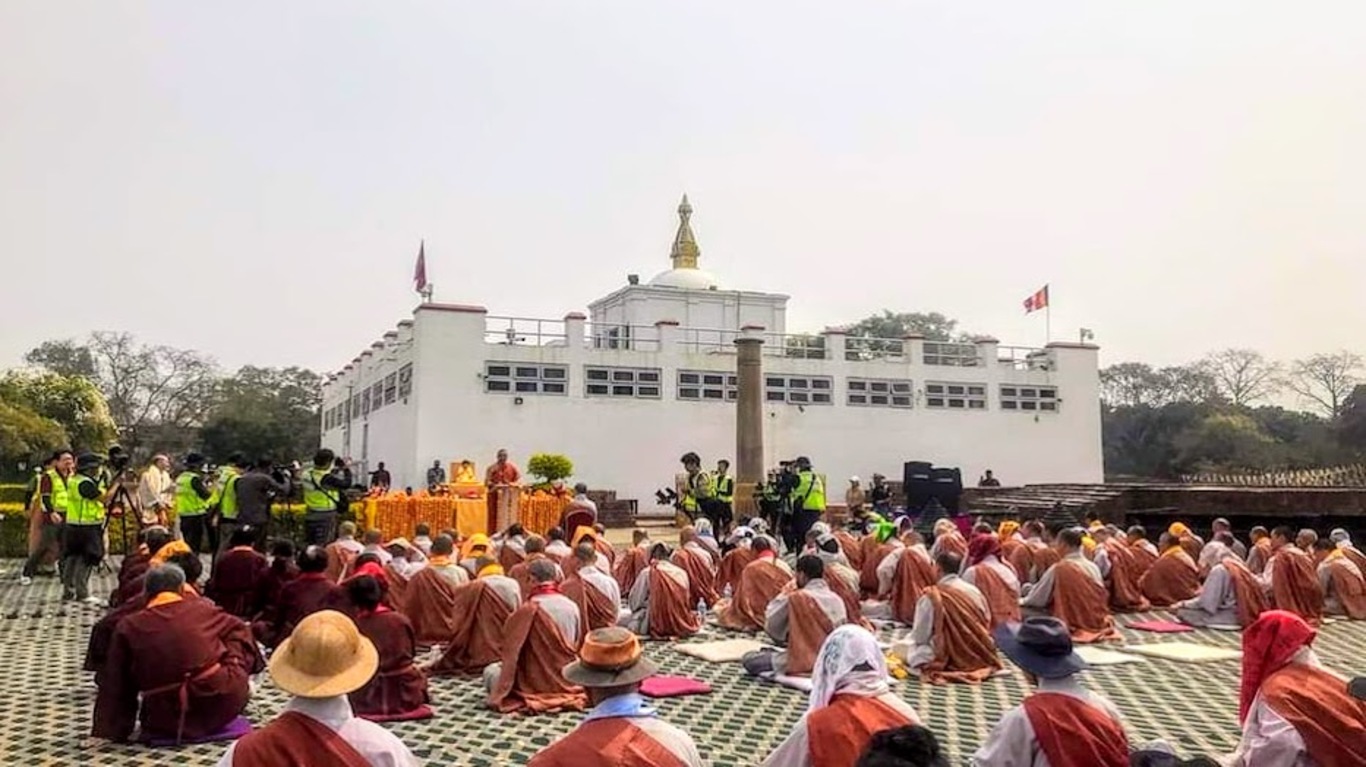


 US$450


 Reviews 5/5
 Reviews 5/5
 Reviews 5/5